
Scrim Fabric
Scrim is a fabric that is available in both a heavy, course material used in the reinforcement of canvas making and construction and a finely woven fabric historically used in theatre and bookbinding. Scrim gauze is a Tulle like fabric net featuring large spaces within the weave making the material semi-opaque when viewed at a distance and transparent when viewed up close. Another feature of Scrim gauze fabrics is that they both reflect and transmit light giving them a broad appeal within a wide range of industries.
Jute Scrim is a more structural material consisting of an open weave. Used in both industrial manufacturing and construction, this heavy course fabric is incredibly versatile.
- Over 600 fabric references available
- Over 150 years of experience
- Worldwide delivery available
Showing all 3 results Sorted by latest
-
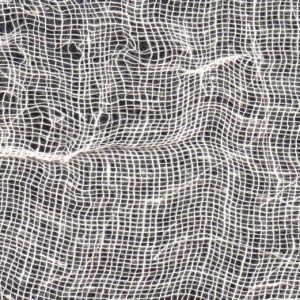 See product
Cotton Scrim Natural (Loomstate)
- Width
- 127cm (50")
- Weight (approx)
- 29 g/m²
- Composition
- 100% Cotton
Starting from £50.00 Excl. VAT -
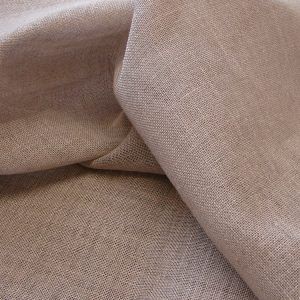 See product
Linen Scrim Natural (Loomstate)
- Width
- 158cm (62.2")
- Weight (approx)
- 175 g/m²
- Composition
- 100% Linen
Starting from £11.31 Excl. VAT -
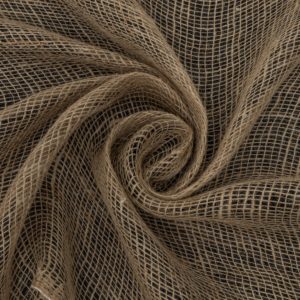 See product
Jute Scrim Natural
- Width
- 91cm (35.8")
- Weight (approx)
- 92 g/m²
- Composition
- 100% Jute
Starting from £0.73 Excl. VAT
Frequently Asked Questions About Scrim Fabric
Below are some of the most frequently asked questions from our customers about Scrim Fabric. If your question isn't covered here, please contact us.
What is scrim fabric?
Scrim is a lightweight, open-weave fabric, traditionally cotton or linen, with a loose weave that lets light and air through. It’s sturdier than gauze and softer than buckram. Scrim is used in upholstery, plastering, and stage and film work.
What's the difference between cotton scrim and linen scrim?
Cotton scrim is softer, lighter, and more affordable, used widely in upholstery underlining and bookbinding. Linen scrim is stronger and more textured, preferred for stage and theatrical use, traditional plasterwork, and conservation. Both share the open weave.
What is scrim used for in stage and theatre?
Theatrical scrim appears solid when lit from the front and becomes translucent when lit from behind, allowing for reveal effects. It’s also used as a projection surface and as a softener in lighting. Theatrical scrim is usually wide and often flame-retardant treated.
Why is scrim used in upholstery?
Scrim sits between the springs and the padding in traditional upholstery, holding the stuffing in place and protecting the top fabric from wear from the springs below. Its open weave makes it easy to stitch through while its strength holds the structure together.