
Bamboo Fabric
Bamboo fabric is created from the cellulose that naturally occurs in the leaves and stems of the bamboo plant. This cellulose is extracted forming fibres that are then spun into what has come to be known as Bamboo Fabric. As Bamboo is a fast-growing plant requiring no pesticides to grow it is widely regarded as being an ecologically friendly fabric. At Whaley’s, we supply the highest quality wholesale bamboo fabric in loomstate by the metre.
Bamboo fabric is a natural textile that is highly sustainable and eco-friendly. The fabric is soft, light and surprisingly silky with excellent wicking properties whilst the fibres provide great insulation in colder climates. Bamboo fabric is hydrophilic and also has natural deodorising qualities. Some forms of pure bamboo fabric are even considered to have hypoallergenic and UV resistant properties. Available as a standalone fabric or mixed with other fibres to produce robust blends.

Over 600 Fabric References Available

Over 150 Years of Experience

Worldwide Delivery Available
Showing all 7 resultsSorted by latest
-

Pigment Coated Bamboo (Optic White) (JW3354)
Width: 152cm (59.8")
Fabric Weight (approx): 120 g/m²
Fabric Composition: 100% BAMBOO
Starting From: £6.98 View product -
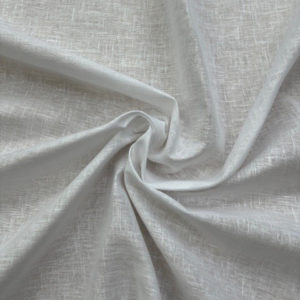
Bamboo Coniston White
Width: 137cm (53.9")
Fabric Weight (approx): 135 g/m²
Fabric Composition: 90% Bamboo/10% cotton
Starting From: £7.42 View product -
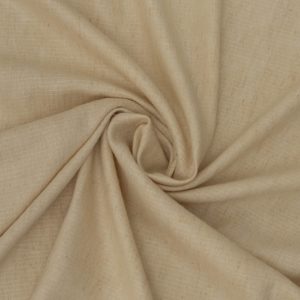
Bamboo/Linen Chester
Width: 142cm (55.9")
Fabric Weight (approx): 168 g/m²
Fabric Composition: 88% Linen/12% Bamboo
Starting From: £17.55Out of Stock
View product -
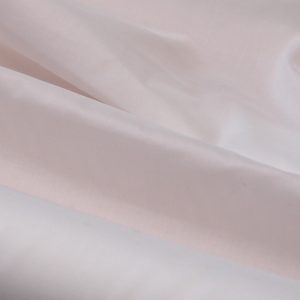
Bamboo Melody White (Optic White)
Width: 150cm (59.1")
Fabric Weight (approx): 120 g/m²
Fabric Composition: 100% Bamboo
Starting From: £6.48 View product -
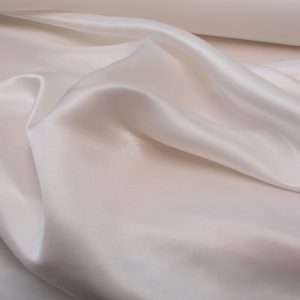
Coated Bamboo/Silk Satin Natural
Width: 140cm (55.1")
Fabric Weight (approx): 84 g/m²
Fabric Composition: 72% Bamboo / 28% Silk
Starting From: £12.89 View product -
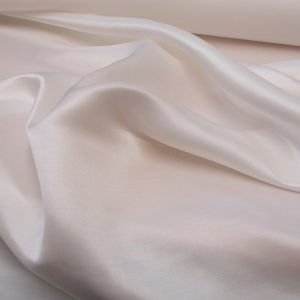
Bamboo/Silk Satin Natural
Width: 140cm (55.1")
Fabric Weight (approx): 84 g/m²
Fabric Composition: 72% Bamboo / 28% Silk
Starting From: £11.32 View product -
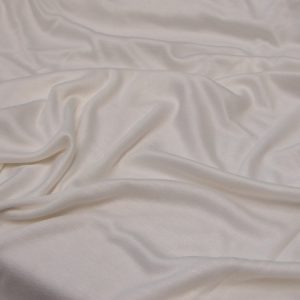
Bamboo Jersey White
Width: 120cm (47.2")
Fabric Weight (approx): 205 g/m²
Fabric Composition: 100% Bamboo
Starting From: £7.57 View product
Frequently Asked Questions About Bamboo Fabric
Below are some of the most frequently asked questions from our customers about Bamboo Fabric. If your question isn't covered here, please contact us.
-
Is bamboo fabric eco-friendly?
The bamboo plant itself grows rapidly without the need for pesticides. Most bamboo fabric is produced through a chemical process, dissolving bamboo pulp to regenerate into fibres in the same way viscose is produced. For a more sustainable option, look for bamboo certified by OEKO-TEX or produced through a closed-loop system where most of the solvents and water are reused. Mechanically processed bamboo linen is the more eco-friendly route. See our article BL10 Bamboo/Linen Chester Natural 88% Linen 12% Bamboo.
-
How does bamboo fabric compare to cotton?
Bamboo fabric tends to be softer and more breathable than cotton, with better moisture-wicking performance. It also has natural odour resistance. That said, it’s generally less durable than cotton and can be prone to pilling. It’s also higher in price due to processing costs. See our article BB15 Bamboo Coniston White 90% Bamboo, 10% Cotton.
-
What's the difference between bamboo viscose and bamboo linen?
Bamboo viscose is most widely available. It’s chemically processed into a soft, silky fabric but the production method is less environmentally friendly. Bamboo linen is mechanically processed, resulting in a coarser, more linen-like texture with a cleaner environmental footprint and is worth considering if sustainability is a priority.
-
Does bamboo fabric have natural UV protection?
Bamboo fabric does offer a degree of UV protection, though the level varies depending on the weave density and weight of the fabric. Tighter, heavier weaves generally provide better coverage. If UV protection is important for your project, check the specifications of the specific fabric you’re considering.
-
Why does bamboo fabric feel cooler than other materials?
Bamboo fibres have a structure that allows good ventilation and moisture absorption, which helps heat escape and sweat evaporate. This gives bamboo fabric a naturally cool feel against the skin, which is why it’s popular for bedding, activewear, and warm-weather clothing.
-
What are the antimicrobial properties of bamboo fabric?
Bamboo plants do contain natural antimicrobial properties, but much of this is lost during chemical processing. Claims about bamboo viscose being antimicrobial are often overstated. The fabric’s moisture-wicking ability does help keep it drier, which in turn reduces bacterial growth. Mechanically processed bamboo linen is more likely to retain some of the plant’s original properties.