Wadding Fabric

Over 600 Fabric References Available

Over 150 Years of Experience

Worldwide Delivery Available
Showing all 4 resultsSorted by latest
-
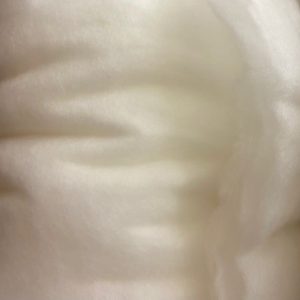
Biodegradable Wadding White
Width: 150cm (59.1")
Fabric Weight (approx): 150 g/m²
Fabric Composition: 100% LycoCEL
Starting From: £9.99 View product -
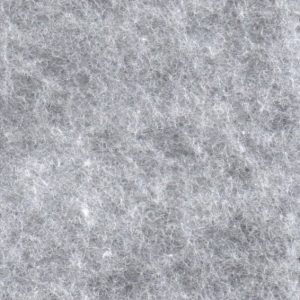
Polyester Wadding Heavy
Width: 157cm (61.8")
Fabric Weight (approx): 305 g/m²
Fabric Composition: 100% Polyester
£99.25 View product -
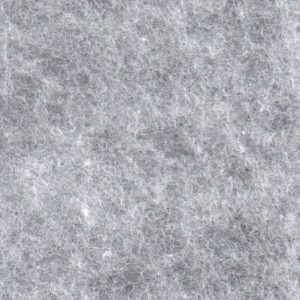
Polyester Wadding Medium
Width: 157cm (61.8")
Fabric Weight (approx): 135 g/m²
Fabric Composition: 100% Polyester
£94.00 View product -
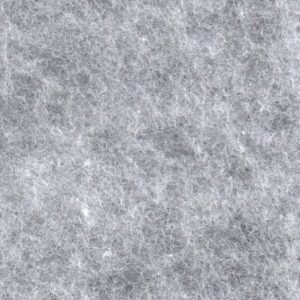
Polyester Wadding Light
Width: 152cm (59.8")
Fabric Weight (approx): 100 g/m²
Fabric Composition: 100% Polyester
£93.50 View product
Frequently Asked Questions About Wadding Fabric
Below are some of the most frequently asked questions from our customers about Wadding Fabric. If your question isn't covered here, please contact us.
-
What is wadding?
Wadding is a soft, lofty fabric used as padding, insulation, or filling. It’s most often made from polyester, cotton, wool, or bamboo, in batting form (a continuous sheet) or as loose filling. The fibres are bonded with light needling, resin, or thermal fusion.
-
What's the difference between wadding, batting, and interlining?
Wadding is the British term for the lofty sheet material used for filling and padding. Batting is the American term for the same product. Interlining is related but distinct, used between main fabric and lining for body and warmth, generally lighter and less lofty than wadding.
-
What weights of wadding are available?
Wadding runs from very light (around 70gsm, used for light quilting and lined garments) up to heavy (over 300gsm, used for thick winter quilts and upholstery). Mid-weight wadding (150 to 200gsm) is the most versatile for general quilting.
-
What's the difference between cotton, polyester, and wool wadding?
Cotton wadding is breathable, drapes naturally, and is biodegradable, but denser than synthetic options. Polyester wadding is lighter, lofty, and resistant to shrinking. Wool wadding is the warmest and most breathable, with natural insulating properties, but the most expensive of the three.
The information above is provided as general guidance. Fabric behaviour varies depending on the specific product, finishing, and end use. We recommend testing on a small sample before committing to any technique or treatment.