
Nylon Fabric
Nylon fabric is one of the most common synthetic fabrics. Nylon is most commonly known for its use in women’s stockings after being named as a fabric in 1939. Nylon fabric was intended to replace silk due to how scarce it became in the 2nd World War.
Since then Nylon has been adapted to work in many different applications including clothing, carpets, tents, bridal wear and many more. Our nylon fabric ranges in price from £3.00 per metre to £41.53 per metre, with each fabric having its own unique qualities.
- Over 600 fabric references available
- Over 150 years of experience
- Worldwide delivery available
Showing all 24 results Sorted by latest
-
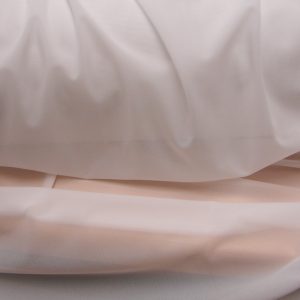 See product
Nylon/Elastane Nova White
- Width
- 165cm (65")
- Weight (approx)
- 85 g/m²
- Composition
- 90% Nylon / 10% Lycra
Starting from £7.89 Excl. VAT -
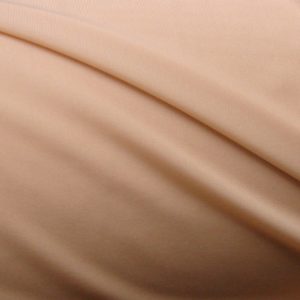 See product
Nylon/Elastane Nova Flesh
- Width
- 165cm (65")
- Weight (approx)
- 85 g/m²
- Composition
- 90% Nylon / 10% Lycra
Starting from £7.89 Excl. VAT -
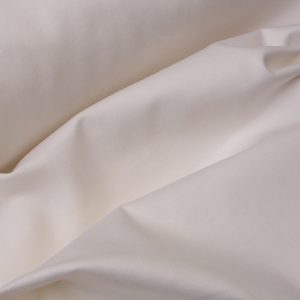 See product
Lakeside Nylon/Viscose/Spandex White (2-Way Stretch)
- Width
- 163cm (64.2")
- Weight (approx)
- 420 g/m²
- Composition
- 70% Nylon / 25% Viscose / 5% Spandex
Starting from £15.72 Excl. VAT -
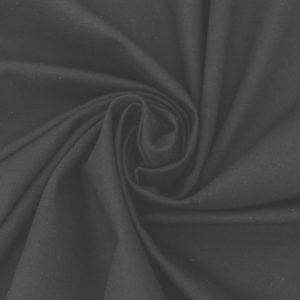 See product
Lakeside Nylon/Viscose/Spandex Black (2-Way Stretch)
- Width
- 163cm (64.2")
- Weight (approx)
- 420 g/m²
- Composition
- 70% Nylon / 25% Viscose / 5% Spandex
Starting from £15.83 Excl. VAT -
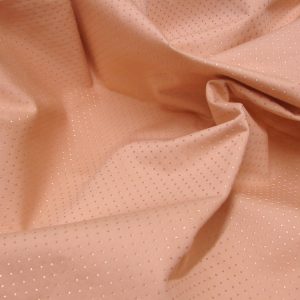 See product
Cotton/Viscose Spot Flesh (Coutil)
- Width
- 142cm (55.9")
- Weight (approx)
- 239 g/m²
- Composition
- 91% Cotton / 9% Viscose
Starting from £19.98 Excl. VAT -
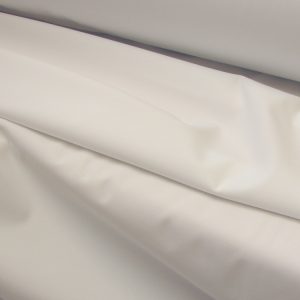 See product
Nylon/Lycra Lynx White (2-Way Stretch)
- Width
- 150cm (59.1")
- Weight (approx)
- 190 g/m²
- Composition
- 65% Nylon / 35% Lycra
Starting from £15.52 Excl. VAT -
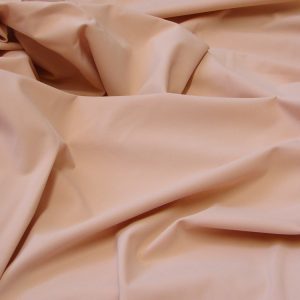 See product
Nylon/Lycra Lynx Flesh (2-Way Stretch)
- Width
- 150cm (59.1")
- Weight (approx)
- 190 g/m²
- Composition
- 65% Nylon / 35% Lycra
Starting from £15.52 Excl. VAT -
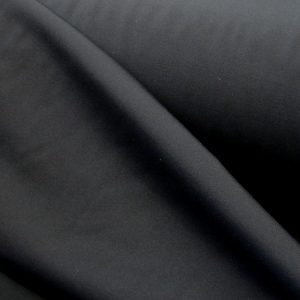 See product
Nylon/Lycra Lynx Black (2-Way Stretch)
- Width
- 150cm (59.1")
- Weight (approx)
- 190 g/m²
- Composition
- 65% Nylon / 35% Lycra
Starting from £15.52 Excl. VAT -
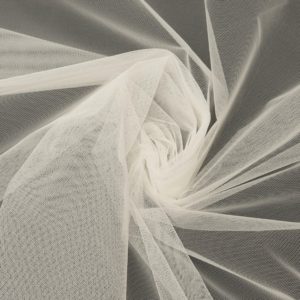 See product
Nylon Net Amelie Ivory
- Width
- 145cm (57.1")
- Weight (approx)
- 32 g/m²
- Composition
- 100% Nylon
Starting from £10.95 Excl. VAT -
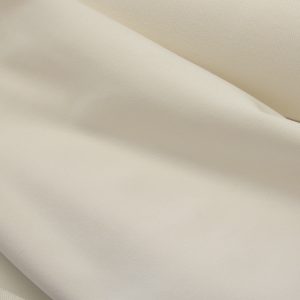 See product
Nylon/Viscose/Elastane Dara White
- Width
- 130cm (51.2")
- Weight (approx)
- 490 g/m²
- Composition
- 48% Polyamide / 47% Viscose / 5% Elastane
Starting from £38.38 Excl. VAT -
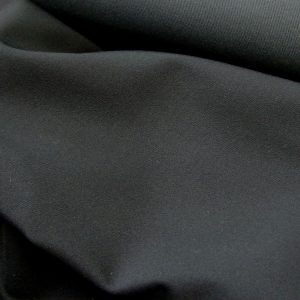 See product
Nylon/Viscose/Elastane Dara Black
- Width
- 130cm (51.2")
- Weight (approx)
- 490 g/m²
- Composition
- 48% Polyamide / 47% Viscose / 5% Elastane
Starting from £38.38 Excl. VAT -
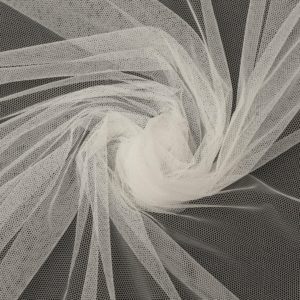 See product
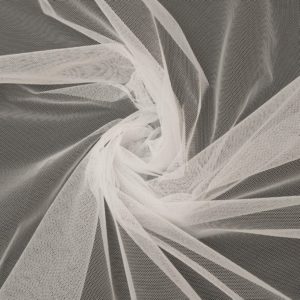
Scoured Net Nylon White
- Width
- 110cm (43.3")
- Weight (approx)
- 17 g/m²
- Composition
- 100% Nylon
Starting from £29.70 Excl. VAT -
 See product
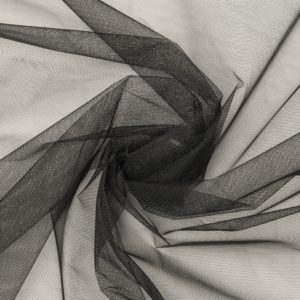
Nylon Net Amelie White (GB2429/B)
- Width
- 145cm (57.1")
- Weight (approx)
- 32 g/m²
- Composition
- 100% Nylon
Starting from £10.95 Excl. VAT -
 See product
Nylon Net Amelie Black
- Width
- 145cm (57.1")
- Weight (approx)
- 32 g/m²
- Composition
- 100% Nylon
Starting from £10.95 Excl. VAT -
 See product
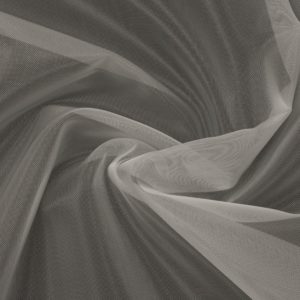
Nylon Crinalin Fine Natural (WB8410)
- Width
- 153cm (60.2")
- Weight (approx)
- 75 g/m²
- Composition
- 100% Nylon
Starting from £25.84 Excl. VAT -
 See product
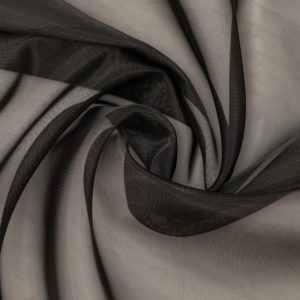
Nylon Crinalin Natural
- Width
- 132cm (52")
- Weight (approx)
- 136 g/m²
- Composition
- 100% Nylon
Starting from £20.33 Excl. VAT -
 See product
Nylon Crinalin Black
- Width
- 132cm (52")
- Weight (approx)
- 130 g/m²
- Composition
- 100% Nylon
Starting from £25.78 Excl. VAT -
 See product
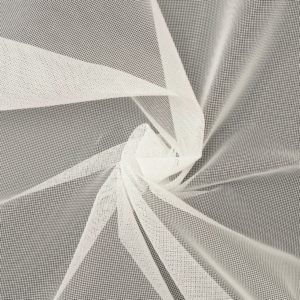
Mesh Nylon White (JW621/A)
- Width
- 150cm (59.1")
- Weight (approx)
- 103 g/m²
- Composition
- 100% Nylon
Starting from £25.66 Excl. VAT -
 See product
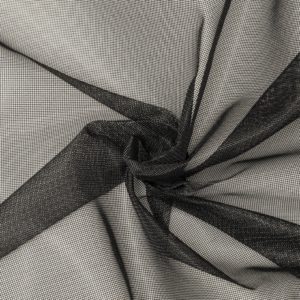
Mesh Nylon Black (JW621/B)
- Width
- 150cm (59.1")
- Weight (approx)
- 103 g/m²
- Composition
- 100% Nylon
Starting from £27.43 Excl. VAT -
 See product
Bobbinet Nylon White
- Width
- 145cm (57.1")
- Weight (approx)
- 21 g/m²
- Composition
- 100% Nylon
Starting from £11.62 Excl. VAT -
 See product
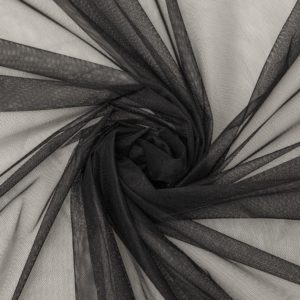
Bobbinet Nylon Black
- Width
- 145cm (57.1")
- Weight (approx)
- 21 g/m²
- Composition
- 100% Nylon
Starting from £11.62 Excl. VAT -
 See product
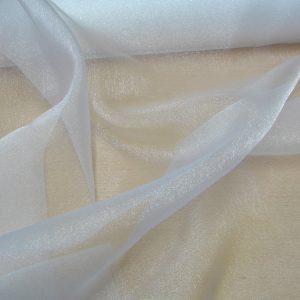
Crystal Organza White (Nylon)
- Width
- 145cm (57.1")
- Weight (approx)
- 37 g/m²
- Composition
- 100% Nylon
Starting from £3.12 Excl. VAT -
 See product
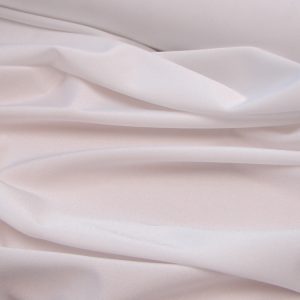
Nylon/Lycra White (Optic White)
- Width
- 150cm (59.1")
- Weight (approx)
- 190 g/m²
- Composition
- 80% Nylon / 20% Lycra
Starting from £7.95 Excl. VAT -
 See product
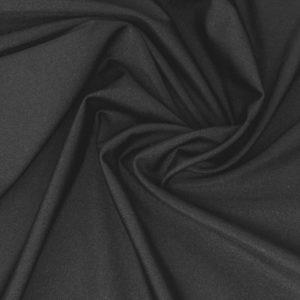
Nylon/Lycra Black
- Width
- 150cm (59.1")
- Weight (approx)
- 190 g/m²
- Composition
- 80% Nylon / 20% Lycra
Starting from £7.95 Excl. VAT
Frequently Asked Questions About Nylon Fabric
Below are some of the most frequently asked questions from our customers about Nylon Fabric. If your question isn't covered here, please contact us.
Is nylon waterproof or water-resistant?
Nylon is water-resistant rather than fully waterproof. It repels water to a degree and dries quickly, but water can work through the weave over time. To achieve waterproofing, nylon is usually coated with polyurethane, silicone, or similar treatments. These coatings wear over time but can be refreshed with waterproofing sprays.
What's the difference between nylon and polyester?
Both are synthetic fabrics but they perform differently. Nylon is generally stronger, more elastic, and more abrasion-resistant, with a softer feel and faster drying time. Polyester is more UV-resistant, holds colour better, and is less prone to shrinkage. It’s also cheaper to produce. The right choice depends on what your project needs.
Does nylon fabric breathe?
Standard nylon is not particularly breathable, which can make garments feel warm during high activity. Modern technical nylons are often engineered with moisture-wicking finishes or ventilation structures to improve this. If breathability is important, look for nylon fabrics specifically designed for activewear.
Is nylon environmentally friendly?
Traditional nylon is petroleum-based and not biodegradable. Production is energy-intensive. That said, recycled nylon options are increasingly available, often made from fishing nets or old carpets, and these significantly reduce environmental impact. Nylon’s durability also means garments tend to last longer, which counts for something.
What is ripstop nylon and when should it be used?
Ripstop nylon is woven with reinforcement threads in a crosshatch pattern that stops tears from spreading. It’s lightweight, packs down small, and is used in outdoor gear, kites, sails, parachutes, and camping equipment. It’s a practical choice where tear resistance matters without adding much weight. Ripstop nylon is available in various weights and can be coated for waterproofing.