
Felt Fabric
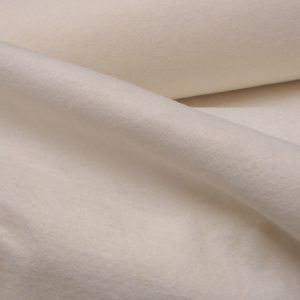
Felt fabric consists of fibres pressed together to make a matting. Felt fabric is can be made from both synthetic and natural fibres with wool being one of the most common fabrics used. Felt is used in a wide variety of industries across a number of different applications. The reason felt fabric can be used within different industries and for such diverse applications is due to how it can differ from one type to another.
The fact that felt can vary in colour, size, thickness and density means it is ideal for solving a wide variety of problems. Felt fabric is commonly used in craft making, however, felt varies in thickness and it is used for vibration dampening and as a seal in the automotive industry. It can also be found on a number of different instruments including drums and pianos.

Over 600 Fabric References Available

Over 150 Years of Experience

Worldwide Delivery Available
Frequently Asked Questions About Felt Fabric
Below are some of the most frequently asked questions from our customers about Felt Fabric. If your question isn't covered here, please contact us.
-
What is felt made from?
Felt is a non-woven fabric made by matting and pressing fibres together, traditionally using wool. Modern felts are also made from acrylic, polyester, viscose, and blends. Its structure comes from interlocking fibres rather than weaving or knitting.
-
What's the difference between wool felt and acrylic felt?
Wool felt is denser, stronger, naturally insulating, and flame-resistant. Acrylic felt is lighter, much cheaper, available in bright colours, and easier to cut. Wool felt suits hat-making and structural projects; acrylic suits crafting and decorative use.
-
How is felt produced without weaving?
Wool fibres have microscopic scales that hook together when agitated under heat and moisture, a process called fulling. Loose fibre is wetted, heated, and pressed until it locks into a dense mat. Synthetic felts are made by mechanically entangling fibres or bonding them with adhesive.
-
Does felt fray?
No, because felt isn’t woven or knitted, it has no threads to unravel. Cut edges stay clean, which makes felt useful for appliqué, costume, and craft projects where you want to skip seam finishing.
-
Can felt be moulded into shape?
Wool felt can be moulded with steam and pressure, taking and holding three-dimensional shapes well. This is why it’s used for hat blocking and sculpted costume pieces. Synthetic felts don’t mould the same way and tend to keep their flat shape.