
Flax Fabric
The flax plant is what creates fibres to make what is known in the UK and the Western world as linen. Flax fabric consists of flax fibres which vary in width from 137cm to 149cm of which there are 2 main types of fibre. The first fibre is shorter and is often used to create coarser fax fabric, with the second being a longer fibre which is used to create finer fax fabrics.

Over 600 Fabric References Available

Over 150 Years of Experience

Worldwide Delivery Available
Showing all 2 resultsSorted by latest
-
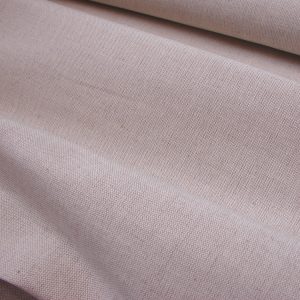
Union Flax Natural (Loomstate)
Width: 149cm (58.7")
Fabric Weight (approx): 354 g/m²
Fabric Composition: 52% Linen / 36% Cotton / 12% Nylon
Starting From: £14.37 View product -
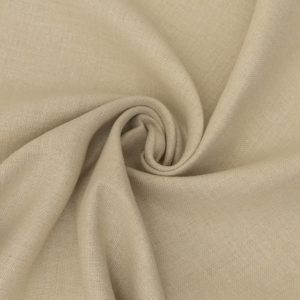
Flax Canvas Natural
Width: 137cm (53.9")
Fabric Weight (approx): 504 g/m²
Fabric Composition: 100% Linen
Starting From: £26.80 View product
Frequently Asked Questions About Flax Fabric
Below are some of the most frequently asked questions from our customers about Flax Fabric. If your question isn't covered here, please contact us.
-
What's the difference between flax and linen?
Flax is the plant; linen is the fabric made from its fibres. The terms are sometimes used interchangeably, but “flax” technically refers to the raw fibre or unprocessed fabric, while “linen” refers to the finished spun and woven cloth.
-
Is flax fabric the same as linen?
In most cases yes. Linen is woven from flax fibres, so any fabric labelled 100% flax is essentially the same as 100% linen. Some manufacturers use “flax” to describe a coarser, more rustic-looking finish.
-
Why is flax considered an eco-friendly fibre?
Flax grows in cooler climates with relatively low water and pesticide needs. The whole plant is used, with seeds going to linseed oil and stems going to fibre. Flax is renewable, biodegradable, and absorbs carbon as it grows.
-
Is flax fabric stronger than cotton?
Yes, flax is one of the strongest natural plant fibres, around two to three times stronger than cotton. The strength increases when the fibre is wet, which is why linen has historically been used for sails, kitchen cloths, and hard-wearing clothing.