
Natural Fabric

Over 600 Fabric References Available

Over 150 Years of Experience

Worldwide Delivery Available
Showing 49–51 of 51 resultsSorted by latest
-
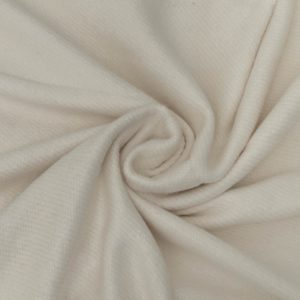
Resida Bump Cotton Natural
Width: 137cm (53.9")
Fabric Weight (approx): 400 g/m²
Fabric Composition: 92% Cotton / 8% Polyester
Starting From: £4.69 View product -
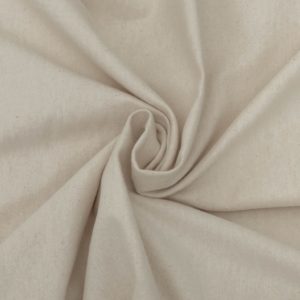
Raised Natural Cotton
Width: 150cm (59.1")
Fabric Weight (approx): 250 g/m²
Fabric Composition: 100% Cotton
Starting From: £4.30 View product -
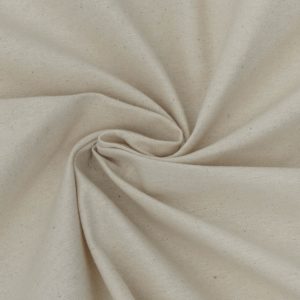
Bolton Twill (Loomstate)
Width: 160cm (63")
Fabric Weight (approx): 261 g/m²
Fabric Composition: 100% COTTON
Starting From: £2.88 View product
Frequently Asked Questions About Natural Fabric
Below are some of the most frequently asked questions from our customers about Natural Fabric. If your question isn't covered here, please contact us.
-
What counts as a natural fabric?
Natural fabrics are made from fibres that come from plants, animals, or minerals without chemical conversion. Plant-based natural fibres include cotton, linen, hemp, jute, ramie, and bamboo (mechanically processed). Animal-based fibres include wool, silk, alpaca, cashmere, and mohair.
-
Is viscose a natural fabric?
Viscose is sometimes described as semi-synthetic. The raw fibre comes from a natural source, usually wood pulp, but it’s chemically processed and regenerated into fibre. Strict definitions of “natural” exclude viscose because of the chemical processing.
-
What are the benefits of natural fibres over synthetics?
Natural fibres are biodegradable, breathable, and renewable. They tend to absorb moisture better than synthetics, regulate temperature more comfortably, and don’t shed microplastics. The trade-offs include higher prices for some, more shrinkage, and farming or animal welfare considerations.
-
Are all natural fabrics more sustainable than synthetics?
Not automatically. Cotton can use significant water and pesticides depending on farming practices. Wool and silk involve animal welfare considerations. Sustainability depends on the specific source, production method, and end-of-life behaviour rather than natural versus synthetic alone.