Organic Fabric
Organic Fabrics

Over 600 Fabric References Available

Over 150 Years of Experience

Worldwide Delivery Available
Showing all 15 resultsSorted by latest
-

Organic/Recycled Cotton/Linen Bray Natural
Width: 142cm (55.9")
Fabric Weight (approx): 250 g/m²
Fabric Composition: 65% ORGANIC COTTON/25% RECYCLED COTTON/10% LINEN
Starting From: £6.53 View product -

Organic Cotton Madeira Natural (Shrunk)
Width: 150cm (59.1")
Fabric Weight (approx): 156 g/m²
Fabric Composition: 100% ORGANIC COTTON
Starting From: £5.36 View product -
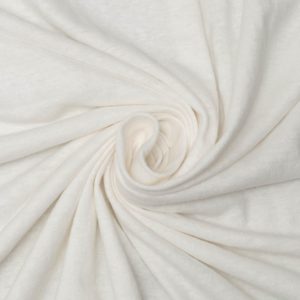
Hemp/Organic Cotton Ava White (Jersey)
Width: 150cm (59.1")
Fabric Weight (approx): 210 g/m²
Fabric Composition: 55% Hemp / 45% Organic Cotton
Starting From: £11.98 View product -
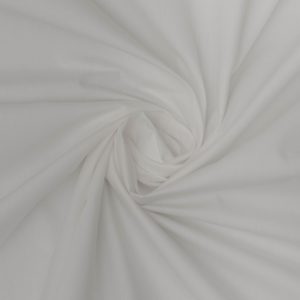
Organic Cotton Trent White (Optic White)
Width: 150cm (59.1")
Fabric Weight (approx): 130 g/m²
Fabric Composition: 100% Cotton
Starting From: £5.61 View product -
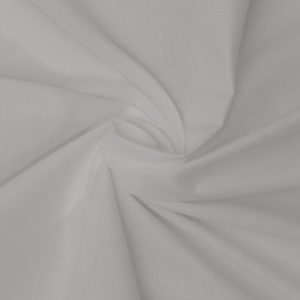
Organic Cotton Regent White (Optic White)
Width: 150cm (59.1")
Fabric Weight (approx): 156 g/m²
Fabric Composition: 100% Cotton
Starting From: £5.36 View product -
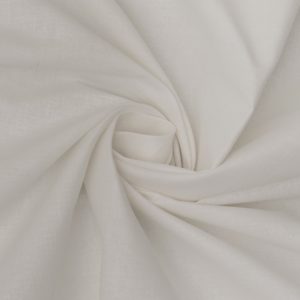
Hemp/Organic Cotton White
Width: 140cm (55.1")
Fabric Weight (approx): 170 g/m²
Fabric Composition: 55% Hemp / 45% Organic Cotton
Starting From: £10.89 View product -
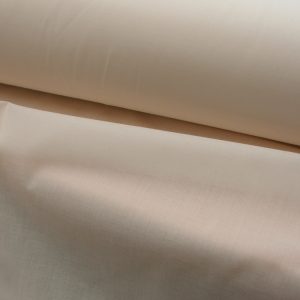
Organic Cotton Windsor Natural
Width: 138cm (54.3")
Fabric Weight (approx): 70 g/m²
Fabric Composition: 100% Organic Cotton
Starting From: £5.95 View product -
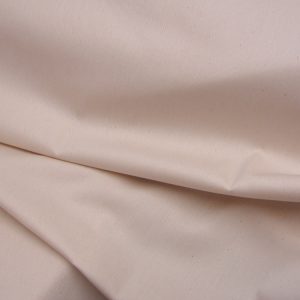
Organic/Recycled Cotton Regal Natural
Width: 149cm (58.7")
Fabric Weight (approx): 213 g/m²
Fabric Composition: 75% Organic Cotton / 25% Recycled Cotton
Starting From: £6.49 View product -
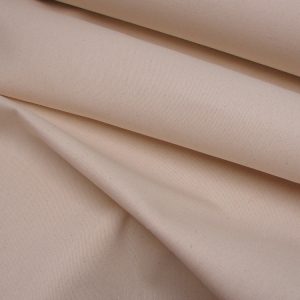
Organic Cotton Drill Natural
Width: 149cm (58.7")
Fabric Weight (approx): 255 g/m²
Fabric Composition: 100% Cotton
Starting From: £6.93 View product -
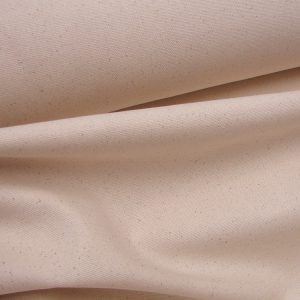
Organic Cotton Canvas Natural
Width: 150cm (59.1")
Fabric Weight (approx): 309 g/m²
Fabric Composition: 100% Cotton
Starting From: £6.34 View product -
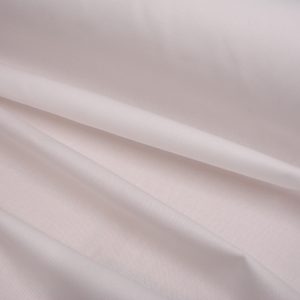
Organic Cotton Canberra White (Optic White)
Width: 150cm (59.1")
Fabric Weight (approx): 230 g/m²
Fabric Composition: 100% Cotton
Starting From: £5.85 View product -
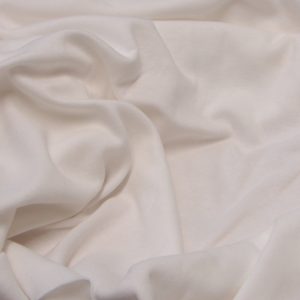
Organic Cotton Jersey Merlin
Width: 140cm (55.1")
Fabric Weight (approx): 225 g/m²
Fabric Composition: 100% Cotton
Starting From: £6.22 View product -
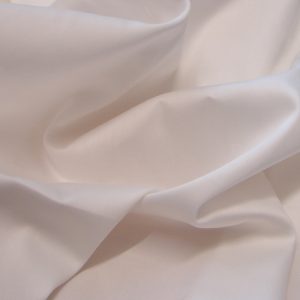
Organic Cotton Sateen White
Width: 285cm (112.2")
Fabric Weight (approx): 145 g/m²
Fabric Composition: 100% Cotton
Starting From: £8.99 View product -
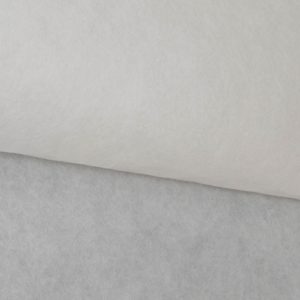
Pelmet/Craft White (Sew-in)
Width: 91cm (35.8")
Fabric Weight (approx): 160 g/m²
Fabric Composition: 60% Viscose / 40% Polyester
Starting From: £3.34 View product -
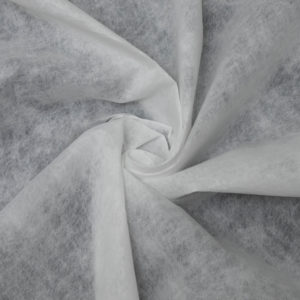
Standard Medium White (Sew-in)
Width: 91cm (35.8")
Fabric Weight (approx): 70 g/m²
Starting From: £2.22 View product
Frequently Asked Questions About Organic Fabric
Below are some of the most frequently asked questions from our customers about Organic Fabric. If your question isn't covered here, please contact us.
-
What makes a fabric organic?
An organic fabric is made from fibres grown or raised without synthetic pesticides, herbicides, or fertilisers, and processed without certain chemicals. The most common organic fibres are cotton, linen, hemp, and wool. The organic claim usually applies to the agricultural side first.
-
What does GOTS certification mean?
GOTS stands for Global Organic Textile Standard, the leading certification for organic textiles. It covers the whole supply chain from fibre through processing and manufacturing. GOTS-certified fabric is at least 70 percent organic fibre, with higher grades requiring 95 percent or more.
-
How can I identify genuinely organic fabric?
Look for recognised certifications such as GOTS, OCS (Organic Content Standard), or OEKO-TEX Made in Green. The certification number is often printed on the label. Without certification, organic claims aren’t always traceable, particularly with cotton.
-
Is organic fabric always more expensive?
Yes, generally. Organic fibres cost more to grow because yields are often lower and farming is more labour-intensive. Certification adds further cost. Organic fabric is typically 20 to 50 percent more expensive than the conventional equivalent.