
Silk Fabric

Over 600 Fabric References Available

Over 150 Years of Experience

Worldwide Delivery Available
Showing 49–91 of 91 resultsSorted by latest
-
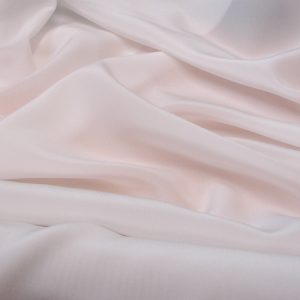
Coated Crepe De Chine Silk Medium White
Width: 140cm (55.1")
Fabric Weight (approx): 60 g/m²
Fabric Composition: 100% Silk
Starting From: £18.20 View product -
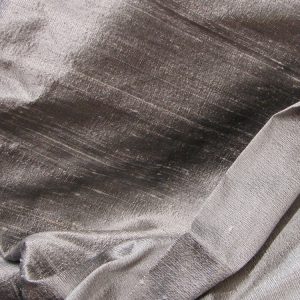
Dupion Silk Pewter
Width: 137cm (53.9")
Fabric Weight (approx): 85 g/m²
Fabric Composition: 100% Silk
Starting From: £15.99 View product -
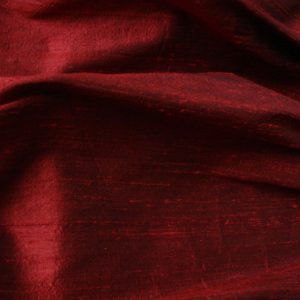
Dupion Silk Burgundy/Black (Two-tone)
Width: 137cm (53.9")
Fabric Weight (approx): 85 g/m²
Fabric Composition: 100% Silk
Starting From: £15.99 View product -
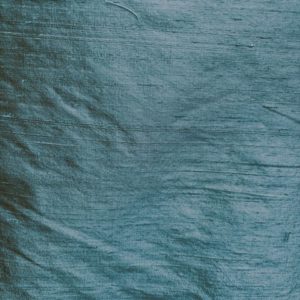
Dupion Silk Blue/Grey (Two-tone)
Width: 137cm (53.9")
Fabric Weight (approx): 85 g/m²
Fabric Composition: 100% Silk
Starting From: £15.99 View product -
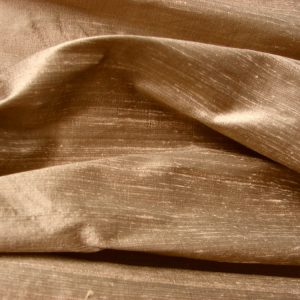
Dupion Silk Black/Fawn (Two-tone)
Width: 137cm (53.9")
Fabric Weight (approx): 85 g/m²
Fabric Composition: 100% Silk
Starting From: £15.99 View product -
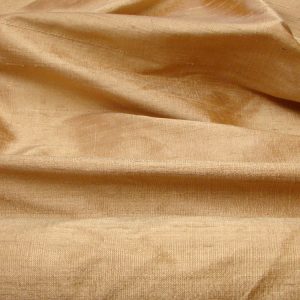
Dupion Silk Antique Gold
Width: 137cm (53.9")
Fabric Weight (approx): 85 g/m²
Fabric Composition: 100% Silk
Starting From: £15.99 View product -
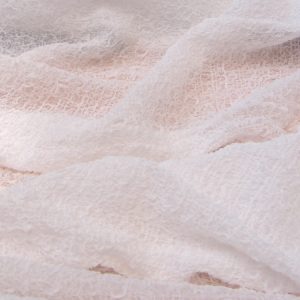
Silk/Lycra Redhill White (Seersucker)
Width: 85cm (33.5")
Fabric Weight (approx): 108 g/m²
Fabric Composition: 98% Silk / 2% Lycra
Starting From: £26.96 View product -
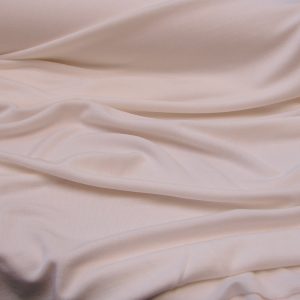
Silk/Lycra Jersey White (Tubular)
Width: 48cm (18.9")
Fabric Weight (approx): 160 g/m²
Fabric Composition: 94% Silk / 6% Lycra
Starting From: £28.52 View product -
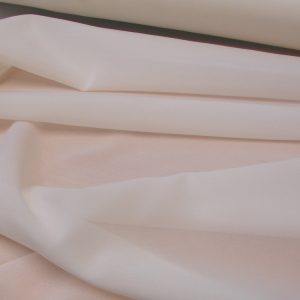
Silk/Elastane Georgette White
Width: 140cm (55.1")
Fabric Weight (approx): 49 g/m²
Fabric Composition: 91% Silk / 9% Elastane
Starting From: £18.84 View product -
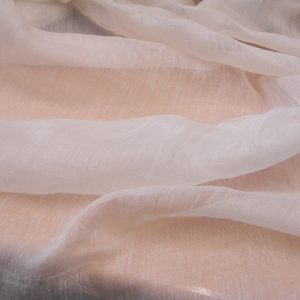
Silk/Cotton Jemima Natural
Width: 110cm (43.3")
Fabric Weight (approx): 42 g/m²
Fabric Composition: 70% Cotton/30% Silk
Starting From: £9.52 View product -
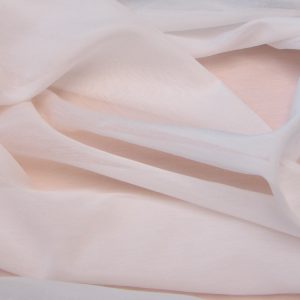
Silk/Cotton Diana White (Chiffon)
Width: 140cm (55.1")
Fabric Weight (approx): 36 g/m²
Fabric Composition: 40% Silk / 60% Cotton
Starting From: £7.97 View product -
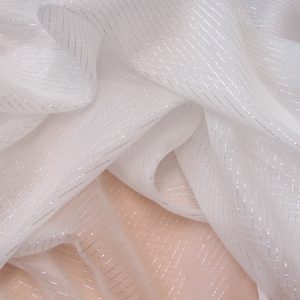
Metallic Silk Stripe Silver
Width: 140cm (55.1")
Fabric Weight (approx): 23 g/m²
Fabric Composition: 85% Silk / 15% Metallic
Starting From: £8.96 View product -
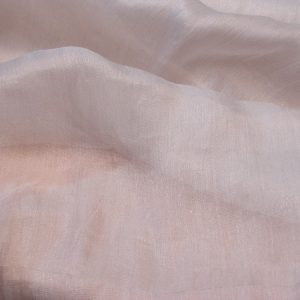
Metallic Silk Orkney Silver
Width: 112cm (44.1")
Fabric Weight (approx): 40 g/m²
Fabric Composition: 45% Silk/55 Lurex
Starting From: £13.72 View product -
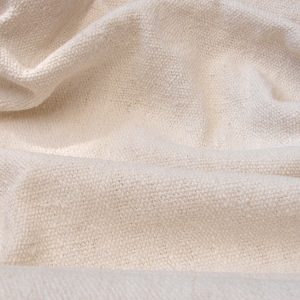
Zeddana Silk Bleached
Width: 130cm (51.2")
Fabric Weight (approx): 445 g/m²
Fabric Composition: 100% Silk
Starting From: £24.67 View product -
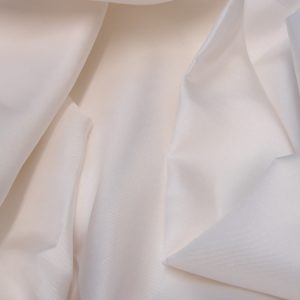
Twill Silk Heavy (PL80) White
Width: 140cm (55.1")
Fabric Weight (approx): 60 g/m²
Fabric Composition: 100% Silk
Starting From: £16.46 View product -
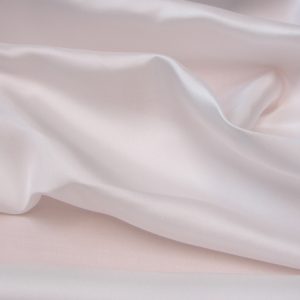
Twill Silk White
Width: 91cm (35.8")
Fabric Weight (approx): 42 g/m²
Fabric Composition: 100% Silk
Starting From: £10.96 View product -
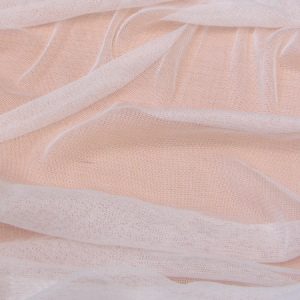
Silk Tulle Ivory (Soft)
Width: 125cm (49.2")
Fabric Weight (approx): 60 g/m²
Fabric Composition: 100% Silk
Starting From: £22.24 View product -
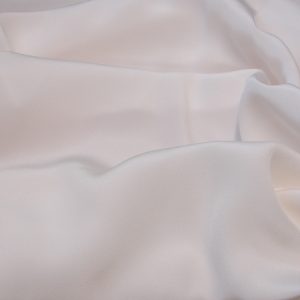
Silk Faille NK444 White
Width: 114cm (44.9")
Fabric Weight (approx): 170 g/m²
Fabric Composition: 100% Silk
Starting From: £43.42 View product -
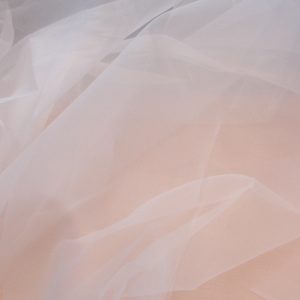
Silk Crepeline Natural
Width: 114cm (44.9")
Fabric Weight (approx): 20 g/m²
Fabric Composition: 100% Silk
Starting From: £10.99 View product -
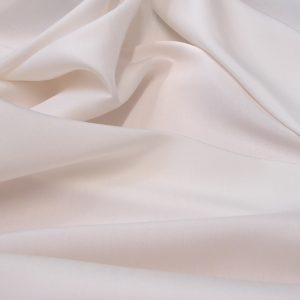
Shantung Silk Natural
Width: 140cm (55.1")
Fabric Weight (approx): 100 g/m²
Fabric Composition: 100% Silk
Starting From: £22.99 View product -
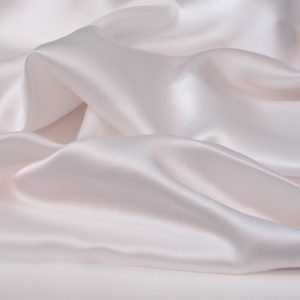
Satin Silk QP54 White
Width: 140cm (55.1")
Fabric Weight (approx): 80 g/m²
Fabric Composition: 100% Silk
Starting From: £22.99 View product -
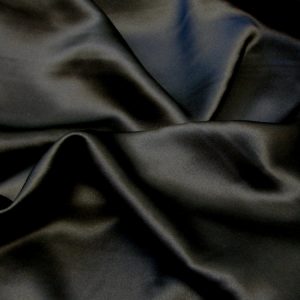
Satin Silk QP54 Black
Width: 140cm (55.1")
Fabric Weight (approx): 82 g/m²
Fabric Composition: 100% Silk
Starting From: £23.97 View product -
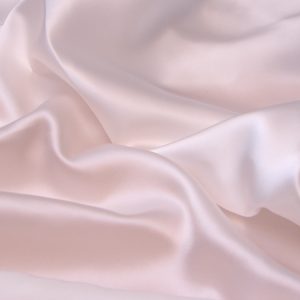
Satin Silk KD515 White
Width: 140cm (55.1")
Fabric Weight (approx): 70 g/m²
Fabric Composition: 100% Silk
Starting From: £19.64 View product -
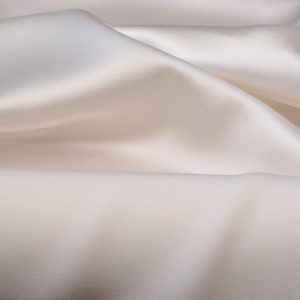
Satin Silk Heavy White (Crepe backed)
Width: 140cm (55.1")
Fabric Weight (approx): 170 g/m²
Fabric Composition: 100% Silk
Starting From: £45.20 View product -
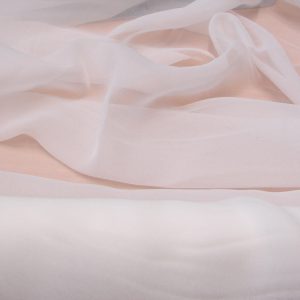
Koubis Georgette Silk White
Width: 140cm (55.1")
Fabric Weight (approx): 34 g/m²
Fabric Composition: 100% Silk
Starting From: £10.98 View product -
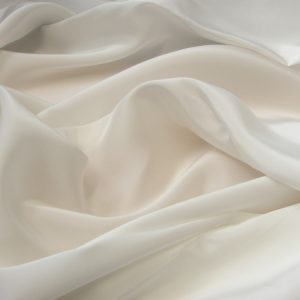
Habotai Silk Heavy No.10 White
Width: 140cm (55.1")
Fabric Weight (approx): 56 g/m²
Fabric Composition: 100% Silk
Starting From: £17.65 View product -
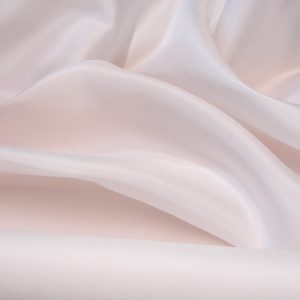
Habotai Silk Heavy White
Width: 112cm (44.1")
Fabric Weight (approx): 42 g/m²
Fabric Composition: 100% Silk
Starting From: £11.99 View product -
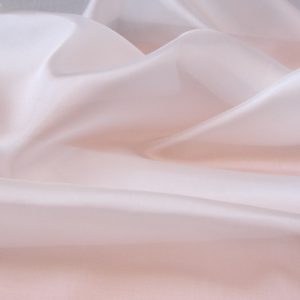
Habotai Silk Light White
Width: 91cm (35.8")
Fabric Weight (approx): 20 g/m²
Fabric Composition: 100% Silk
Starting From: £6.61 View product -
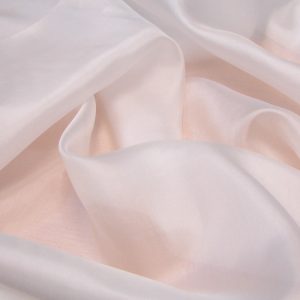
Habotai Silk Fine No. 45 White
Width: 140cm (55.1")
Fabric Weight (approx): 20 g/m²
Fabric Composition: 100% Silk
Starting From: £8.02 View product -
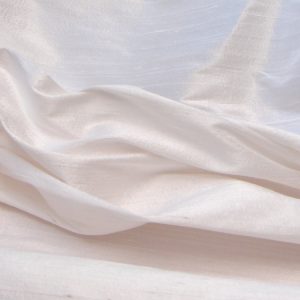
Dupion Silk White
Width: 137cm (53.9")
Fabric Weight (approx): 85 g/m²
Fabric Composition: 100% Silk
Starting From: £15.99 View product -
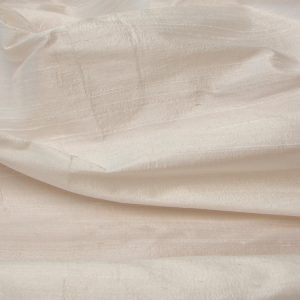
Dupion Silk Ivory
Width: 137cm (53.9")
Fabric Weight (approx): 85 g/m²
Fabric Composition: 100% Silk
Starting From: £16.99 View product -
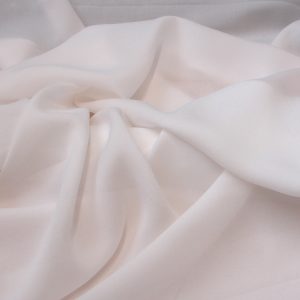
Double Georgette Silk White
Width: 138cm (54.3")
Fabric Weight (approx): 68 g/m²
Fabric Composition: 100% Silk
Starting From: £16.93 View product -
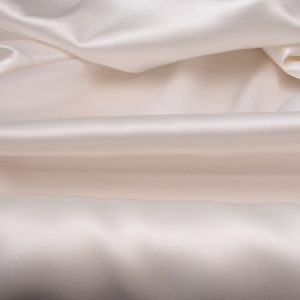
Double Faced Satin Silk White
Width: 140cm (55.1")
Fabric Weight (approx): 170 g/m²
Fabric Composition: 100% Silk
Starting From: £40.90 View product -
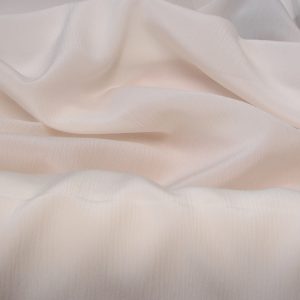
Crinkle Silk White
Width: 114cm (44.9")
Fabric Weight (approx): 68 g/m²
Fabric Composition: 100% Silk
Starting From: £16.35 View product -
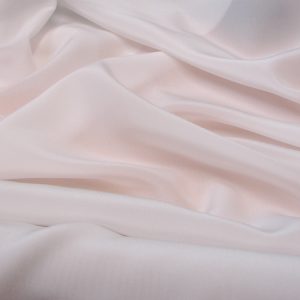
Crepe De Chine Medium White
Width: 140cm (55.1")
Fabric Weight (approx): 60 g/m²
Fabric Composition: 100% Silk
Starting From: £15.88 View product -
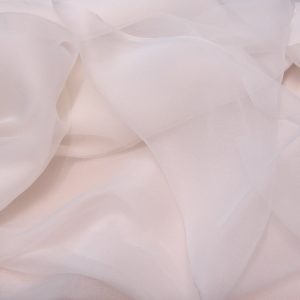
Chiffon Silk White
Width: 112cm (44.1")
Fabric Weight (approx): 15 g/m²
Fabric Composition: 100% Silk
Starting From: £6.99 View product -
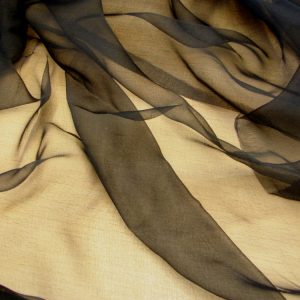
Chiffon Silk Black
Width: 112cm (44.1")
Fabric Weight (approx): 15 g/m²
Fabric Composition: 100% Silk
Starting From: £7.48 View product -
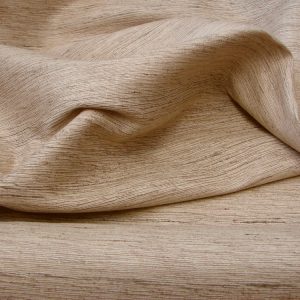
Chapa Silk Natural
Width: 122cm (48")
Fabric Weight (approx): 155 g/m²
Fabric Composition: 100% Silk
Starting From: £18.98 View product -
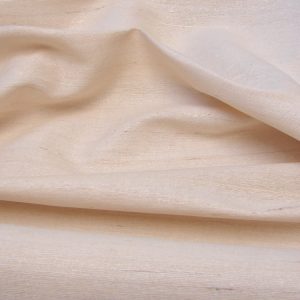
Chapa Silk Bleached
Width: 122cm (48")
Fabric Weight (approx): 155 g/m²
Fabric Composition: 100% Silk
Starting From: £18.98 View product -
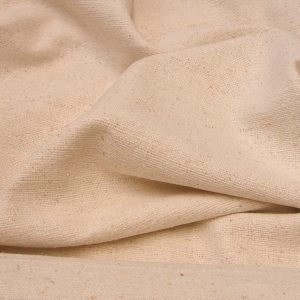
Bobbly Silk Bourette Natural
Width: 122cm (48")
Fabric Weight (approx): 274 g/m²
Fabric Composition: 100% Silk
Starting From: £17.98 View product -
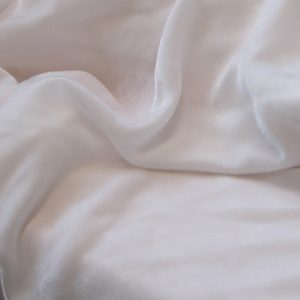
Silk/Viscose Velvet White (Devore)
Width: 114cm (44.9")
Fabric Weight (approx): 195 g/m²
Fabric Composition: 82% Viscose / 18% Silk
Starting From: £17.86 View product -

Silk/Viscose Velvet Black (Devore)
Width: 114cm (44.9")
Fabric Weight (approx): 195 g/m²
Fabric Composition: 82% Viscose / 18% Silk
Starting From: £18.45 View product -
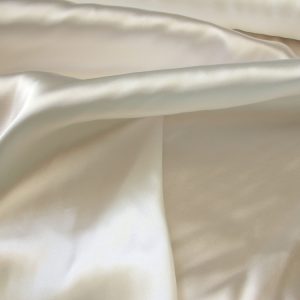
Silk/Viscose Satin AD898 White (Devore)
Width: 137cm (53.9")
Fabric Weight (approx): 100 g/m²
Fabric Composition: 33% Silk / 67% Viscose
Starting From: £16.18 View product
Frequently Asked Questions About Silk Fabric
Below are some of the most frequently asked questions from our customers about Silk Fabric. If your question isn't covered here, please contact us.
-
How is silk fabric made?
Silk is produced by silkworms, which spin cocoons of a single continuous filament. The cocoons are unwound, often using heat to soften the natural gum that holds the filaments together. The filaments are then twisted into yarn and woven. A single cocoon can yield 600 to 900 metres.
-
What are the main types of silk?
The most common are mulberry silk (refined and uniform), tussah silk (from wild silkworms, coarser and golden-brown), eri silk (a non-violent silk where the moth leaves the cocoon naturally), and dupioni silk (slubbed texture from two silkworms spinning a cocoon together).
-
Is silk a sustainable fabric?
Silk is biodegradable and renewable, with relatively low water and energy use. Concerns include the killing of silkworms in conventional production and chemical use in some processing. Peace silk and eri silk allow the moth to emerge before the cocoon is processed.
-
What fabrics are similar to silk if budget is a concern?
Polyester satin and polyester chiffon mimic silk satin and silk chiffon at lower cost, with better wrinkle resistance and easier care. Viscose has a softer drape that approaches silk in handle. Lyocell (Tencel) is another silk-like alternative with a softer footprint.