
Viscose Fabric

Over 600 Fabric References Available

Over 150 Years of Experience

Worldwide Delivery Available
Showing 49–55 of 55 resultsSorted by latest
-
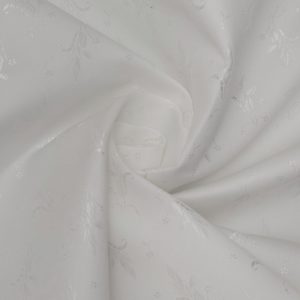
Coutil Cotton/Viscose Bell White (Optic White)
Width: 142cm (55.9")
Fabric Weight (approx): 212 g/m²
Fabric Composition: 60% Cotton / 40% Viscose
Starting From: £15.03 View product -
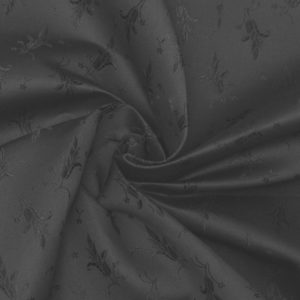
Coutil Cotton/Viscose Bell Black
Width: 142cm (55.9")
Fabric Weight (approx): 212 g/m²
Fabric Composition: 60% Cotton / 40% Viscose
Starting From: £15.09 View product -
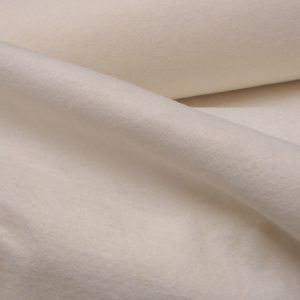
Wool / Viscose Felt White
Width: 183cm (72")
Fabric Weight (approx): 135 g/m²
Fabric Composition: 70% Viscose / 30% Wool
Starting From: £12.59 View product -
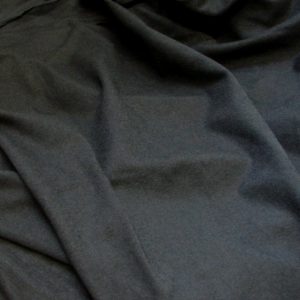
Viscose/Elastane Pacific Black (Jersey)
Width: 145cm (57.1")
Fabric Weight (approx): 225 g/m²
Fabric Composition: 96% Viscose / 4% Elastane
Starting From: £5.92 View product -
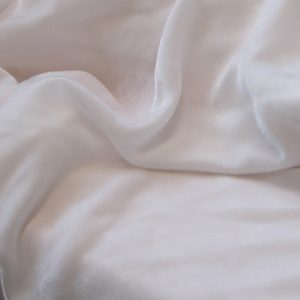
Silk/Viscose Velvet White (Devore)
Width: 114cm (44.9")
Fabric Weight (approx): 195 g/m²
Fabric Composition: 82% Viscose / 18% Silk
Starting From: £17.86 View product -

Silk/Viscose Velvet Black (Devore)
Width: 114cm (44.9")
Fabric Weight (approx): 195 g/m²
Fabric Composition: 82% Viscose / 18% Silk
Starting From: £18.45 View product -
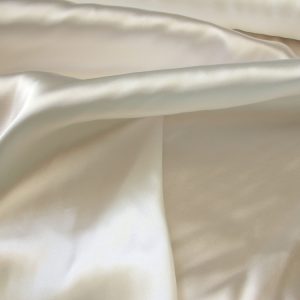
Silk/Viscose Satin AD898 White (Devore)
Width: 137cm (53.9")
Fabric Weight (approx): 100 g/m²
Fabric Composition: 33% Silk / 67% Viscose
Starting From: £16.18 View product
Frequently Asked Questions About Viscose Fabric
Below are some of the most frequently asked questions from our customers about Viscose Fabric. If your question isn't covered here, please contact us.
-
What is viscose fabric?
Viscose is a regenerated cellulose fibre, made by chemically processing wood pulp or bamboo into fibre. It was developed in the late 19th century as an alternative to silk. Viscose has a soft handle, good drape, breathability, and a slight natural sheen.
-
Is viscose a natural or synthetic fibre?
Viscose is sometimes called semi-synthetic or man-made cellulose. The raw fibre comes from a natural source, plant cellulose, but it’s chemically processed and regenerated into fibre. Strict definitions of “natural” exclude viscose because of the chemical processing.
-
Does viscose shrink?
Yes, viscose tends to shrink on washing, particularly the first wash. Shrinkage of 3 to 10 percent is common depending on weave and finishing. Pre-washing before cutting helps. Some viscose is treated to reduce shrinkage, but this varies by manufacturer.
-
Is viscose stretchy?
Standard viscose has very little natural stretch. Viscose blended with elastane gains stretch from the elastane component. Some viscose knits and jerseys have mechanical stretch from the knit structure rather than the fibre. Check the fibre content if stretch matters.
-
Is viscose breathable?
Yes, viscose is breathable and absorbent, more so than most synthetic fibres. It feels cool against the skin and dries reasonably quickly, which is why it’s popular for summer garments and lining. Breathability is similar to cotton, though the drape is more fluid.