
Wool Fabric
Wool fabric can be found in many forms. Wool fabrics are denser and heavier than a lot of other fabrics, and the way in which the wool fabric holds air means that the fabric retains heat creating great insulation.Wool fabric is also known for absorbing and retaining water, so when using these fabrics in your projects please bear this in mind. Some of our wool fabrics are flame retardant due to the fact that wool ignites at a higher temperature than cotton and other synthetic fibres, whilst having a lower rate of flame spread. Our most popular wool fabric is wool serge which is used to create staging curtains & drapes. Browse our array of wool fabrics and if we don’t have what you are looking for then please get in touch and our team of experts will do all they can to meet your fabric requirements.

Over 600 Fabric References Available

Over 150 Years of Experience

Worldwide Delivery Available
Showing all 12 resultsSorted by latest
-

Alberta Wool Twill Natural
Width: 150cm (59.1")
Fabric Weight (approx): 300 g/m²
Fabric Composition: 100% WOOL
Starting From: £30.98 View product -

Alberta Wool Twill Black
Width: 150cm (59.1")
Fabric Weight (approx): 300 g/m²
Fabric Composition: 100% Wool
Starting From: £28.87 View product -
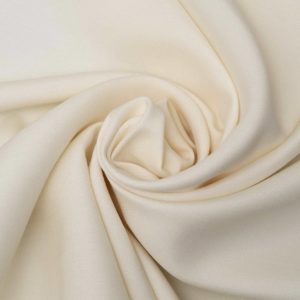
Silk/Wool Bronte Natural
Width: 136cm (53.5")
Fabric Weight (approx): 170 g/m²
Fabric Composition: 35% Silk / 65% Wool
Starting From: £34.05 View product -
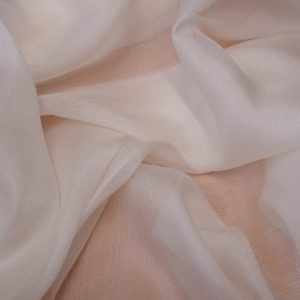
Silk/Wool Vista White
Width: 137cm (53.9")
Fabric Weight (approx): 38 g/m²
Fabric Composition: 44% Silk / 56% Wool
Starting From: £11.99 View product -
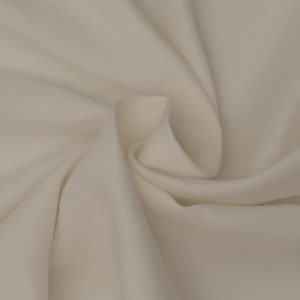
Silk/Wool Crepe Brandon Natural
Width: 140cm (55.1")
Fabric Weight (approx): 129 g/m²
Fabric Composition: 40% Silk / 60% Wool
Starting From: £22.27 View product -
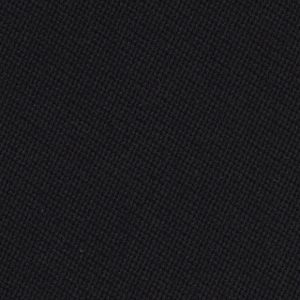
Wool/Lycra Barathea Black (2-Way Stretch)
Width: 150cm (59.1")
Fabric Weight (approx): 270 g/m²
Fabric Composition: 97% Wool / 3% Lycra
£51.40 View product -
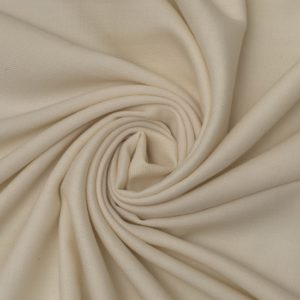
Botany Wool Serge AB10 Natural (Dyeing)
Width: 150cm (59.1")
Fabric Weight (approx): 200 g/m²
Fabric Composition: 100% wool
Starting From: £23.25 View product -
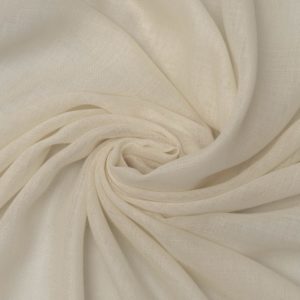
Arctic Wool Gauze Natural (Dyeing)
Width: 137cm (53.9")
Fabric Weight (approx): 90 g/m²
Fabric Composition: 100% Wool
Starting From: £15.70 View product -
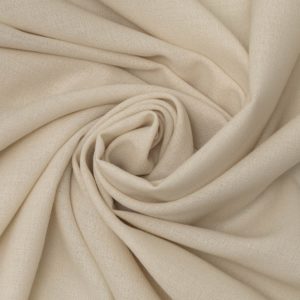
Andrea Wool Crepe GB818 Natural (Dyeing)
Width: 150cm (59.1")
Fabric Weight (approx): 215 g/m²
Fabric Composition: 100% wool
Starting From: £26.65 View product -
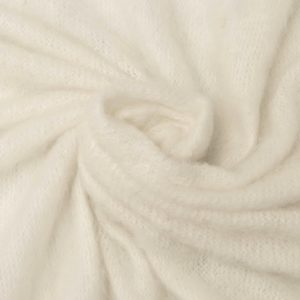
Icewool Medium White
Width: 137cm (53.9")
Fabric Weight (approx): 100 g/m²
Fabric Composition: 50% Wool/25%Viscose/12% Polyamide/13% Polyester
Starting From: £12.99 View product -
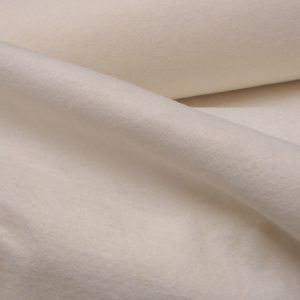
Wool / Viscose Felt White
Width: 183cm (72")
Fabric Weight (approx): 135 g/m²
Fabric Composition: 70% Viscose / 30% Wool
Starting From: £12.59 View product -
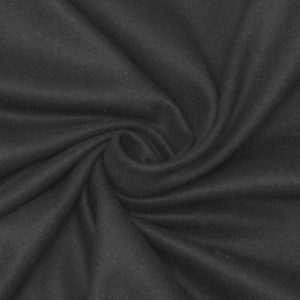
Wool Serge Black Flameproofed (IFR)
Width: 150cm (59.1")
Fabric Weight (approx): 533 g/m²
Fabric Composition: 100% Wool
Starting From: £9.13 View product
Frequently Asked Questions About Wool Fabric
Below are some of the most frequently asked questions from our customers about Wool Fabric. If your question isn't covered here, please contact us.
-
What's the difference between worsted and woollen wool?
Worsted wool is made from long fibres spun into fine yarns, giving a smooth, hard-wearing fabric well suited to formal tailoring including jackets, trousers, waistcoats and skirts. Woollen wool uses shorter fibres spun into softer, coarser yarns, which makes it a good fit for sportsjackets, knitwear, and casual garments.
-
Why is wool naturally flame-resistant?
Wool has a high nitrogen and water content, which means it does not ignite easily, tends to char rather than melt, and is self-extinguishing. This makes it a practical choice for furnishings and clothing where fire safety matters.
-
Is wool an environmentally sustainable fabric choice?
Wool is a renewable, biodegradable natural fibre. Sheep produce new fleece each year, and wool breaks down naturally without releasing microplastics. Sustainability does depend on farming practices, so if this is important to you, look for certified organic or ethically sourced wool.
-
What makes merino wool different from other wool fibres?
Merino wool comes from the Merino sheep and has very fine fibres giving it a notably soft feel without the scratchiness associated with lambswool or Shetland wool. Most of the world’s Merino wool fibre production comes from farms in Australia and New Zealand. Merino wool has good moisture-wicking properties, temperature regulation, and natural odour resistance, making it popular for base layers and garments worn close to the skin.