
Linen
Linen fabric is smooth and cool to the touch and usually gets softer the more it is washed. It is easily creased making ironing a necessity on any linen clothing garments. Varying in thickness, linen fabric is durable and strong and is one of the only fabrics which is stronger when wet. A fabric for all uses makes linen one of the most commonly found fabrics on the Whaleys website. We have 20 different linen fabrics, the majority are loom state fabric which can be adapted to meet your projects requirements.

Over 600 Fabric References Available

Over 150 Years of Experience

Worldwide Delivery Available
Showing all 24 resultsSorted by latest
-

Bermuda Linen Black
Width: 146cm (57.5")
Fabric Weight (approx): 149 g/m²
Fabric Composition: 100% Linen
Starting From: £14.94 View product -
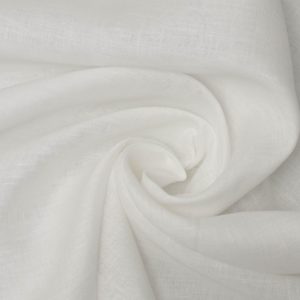
Linen Harlow White
Width: 137cm (53.9")
Fabric Weight (approx): 125 g/m²
Fabric Composition: 100% Linen
Starting From: £10.98 View product -
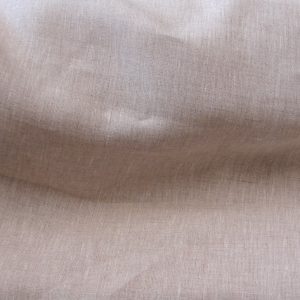
Highgrove Linen Natural
Width: 150cm (59.1")
Fabric Weight (approx): 147 g/m²
Fabric Composition: 100% Linen
Starting From: £14.43 View product -
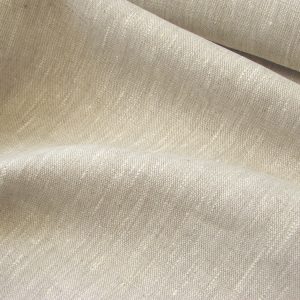
Kingswood Linen Natural
Width: 150cm (59.1")
Fabric Weight (approx): 280 g/m²
Fabric Composition: 100% Linen
Starting From: £15.72 View product -
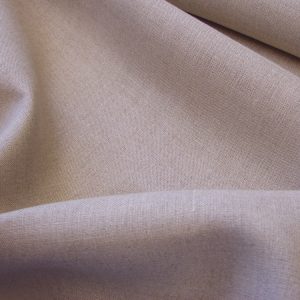
Valencia Linen Natural
Width: 152cm (59.8")
Fabric Weight (approx): 240 g/m²
Fabric Composition: 100% Linen
Starting From: £16.93 View product -
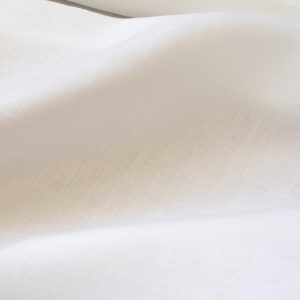
Zula Linen White (Optic White)
Width: 145cm (57.1")
Fabric Weight (approx): 135 g/m²
Fabric Composition: 100% Linen
Starting From: £19.98 View product -

Holland Linen Dark Grey
Width: 132cm (52")
Fabric Weight (approx): 138 g/m²
Fabric Composition: 100% Linen
Starting From: £29.98 View product -
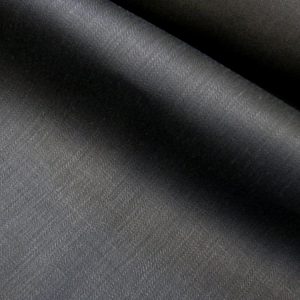
Drill Satin Linen Black
Width: 150cm (59.1")
Fabric Weight (approx): 290 g/m²
Fabric Composition: 100% Linen
Starting From: £27.90 View product -
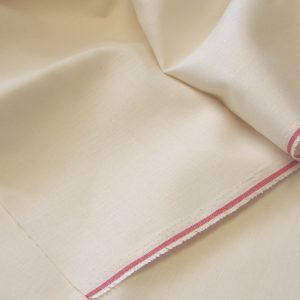
Red Edge Linen Natural
Width: 137cm (53.9")
Fabric Weight (approx): 218 g/m²
Fabric Composition: 100% Linen
Starting From: £16.86 View product -
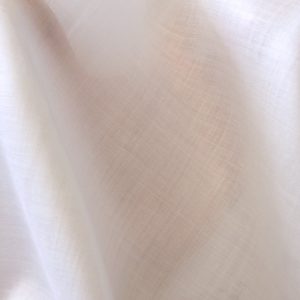
Ramie Trinity White
Width: 137cm (53.9")
Fabric Weight (approx): 80 g/m²
Fabric Composition: 100% Ramie
Starting From: £9.48 View product -
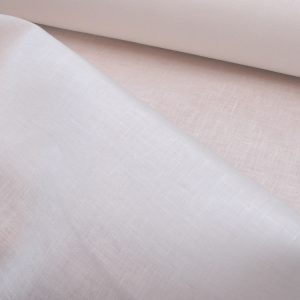
Novelle Linen White
Width: 150cm (59.1")
Fabric Weight (approx): 160 g/m²
Fabric Composition: 100% Linen
Starting From: £13.79 View product -
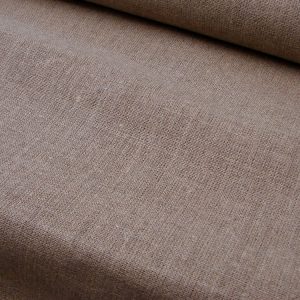
Linen Tasmania Natural (Loomstate for Painting)
Width: 150cm (59.1")
Fabric Weight (approx): 290 g/m²
Fabric Composition: 100% Linen
Starting From: £11.92 View product -
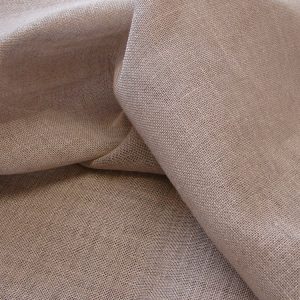
Linen Scrim Natural (Loomstate)
Width: 158cm (62.2")
Fabric Weight (approx): 175 g/m²
Fabric Composition: 100% Linen
Starting From: £11.31 View product -
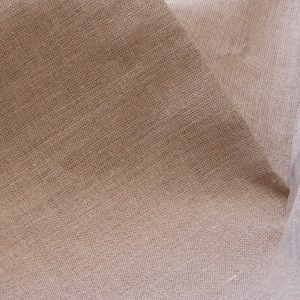
Linen Heavy Natural (Loomstate)
Width: 150cm (59.1")
Fabric Weight (approx): 420 g/m²
Fabric Composition: 100% Linen
Starting From: £20.51 View product -
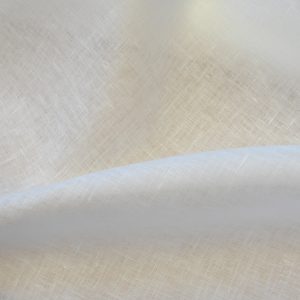
Linen Charlotte White (Optic White)
Width: 150cm (59.1")
Fabric Weight (approx): 110 g/m²
Fabric Composition: 100% Linen
Starting From: £12.78 View product -
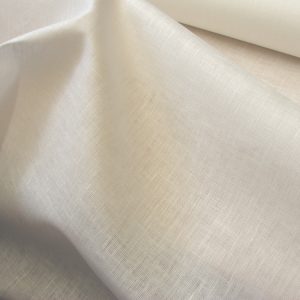
Juniper Linen White
Width: 152cm (59.8")
Fabric Weight (approx): 140 g/m²
Fabric Composition: 100% Linen
Starting From: £14.98 View product -
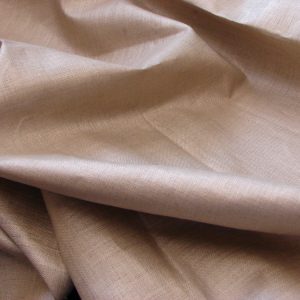
Holland Linen Natural
Width: 132cm (52")
Fabric Weight (approx): 147 g/m²
Fabric Composition: 100% Linen
Starting From: £29.98 View product -
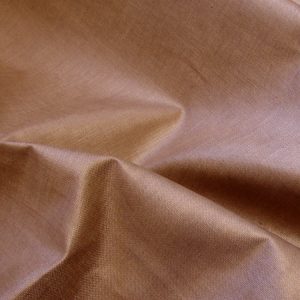
Holland Linen Brown
Width: 132cm (52")
Fabric Weight (approx): 138 g/m²
Fabric Composition: 100% Linen
Starting From: £29.98 View product -
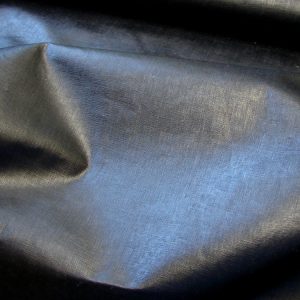
Holland Linen Black
Width: 132cm (52")
Fabric Weight (approx): 138 g/m²
Fabric Composition: 100% Linen
Starting From: £29.98 View product -
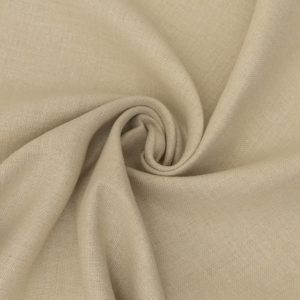
Flax Canvas Natural
Width: 137cm (53.9")
Fabric Weight (approx): 504 g/m²
Fabric Composition: 100% Linen
Starting From: £26.80 View product -
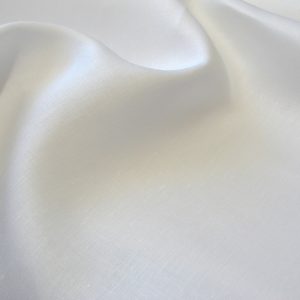
Drill Satin Linen White (Optic White)
Width: 149cm (58.7")
Fabric Weight (approx): 285 g/m²
Fabric Composition: 100% Linen
Starting From: £26.68 View product -
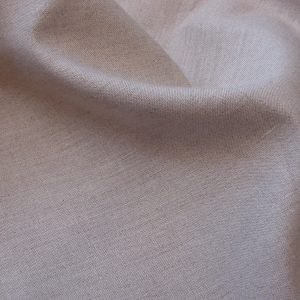
Artist Linen Greystone Natural
Width: 213cm (83.9")
Fabric Weight (approx): 310 g/m²
Fabric Composition: 100% Linen
Starting From: £34.21 View product -

Artist Linen Natural (Loomstate for painting)
Width: 215cm (84.6")
Fabric Weight (approx): 205 g/m²
Fabric Composition: 100% Linen
Starting From: £25.75 View product -
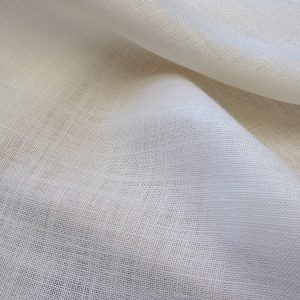
Amazon Linen Bleached
Width: 132cm (52")
Fabric Weight (approx): 305 g/m²
Fabric Composition: 100% Linen
Starting From: £19.11 View product
Frequently Asked Questions About Linen
Below are some of the most frequently asked questions from our customers about Linen. If your question isn't covered here, please contact us.
-
What is linen made from?
Linen is woven from fibres taken from the flax plant. The fibres come from inside the flax stalk, separated by retting, which uses moisture and microbial action to break down the surrounding plant material. The fibres are then spun into yarn and woven.
-
Does linen shrink?
Yes, linen typically shrinks 3 to 10 percent on the first wash, depending on weave, weight, and finishing. Pre-washed and sanforised linens shrink much less. Pre-washing before cutting handles this for projects where dimensions matter.
-
Why does linen wrinkle so easily?
Linen fibres are stiffer and less elastic than cotton, with a crystalline structure that holds creases sharply. This is part of the character of linen and the soft, lived-in look. Some linens are blended with cotton or finished with anti-crease treatments.
-
Is linen a sustainable fabric choice?
Linen has a lower environmental footprint than most fabrics. Flax grows with little water and few chemicals, the whole plant is used, and the fibre is biodegradable. European-grown flax has a particularly short supply chain.
-
What weight of linen suits which project?
Lightweight linen (100 to 150gsm) drapes well and suits blouses and summer dresses. Medium weight (150 to 250gsm) is the most versatile, suiting shirts, trousers, and softer furnishings. Heavy linen (over 250gsm) is used for upholstery and structured garments.