
Natural Fabric
With fabrics increasingly crossing over from natural to manmade and back the other way it is often hard to decide which type of fabric you need. The four most popular types of natural fabric are cotton, linen, wool and silk, but at Whaley’s we stock a range of over 50 natural fabrics. These 4 natural fabrics have some very similar characteristics which set them apart from their manmade counterparts, such as breathability. Our natural fabrics range in price from luxury pieces to cheaper affordable options best used for garment prototypes.

Over 600 Fabric References Available

Over 150 Years of Experience

Worldwide Delivery Available
Showing 1–48 of 51 resultsSorted by latest
-
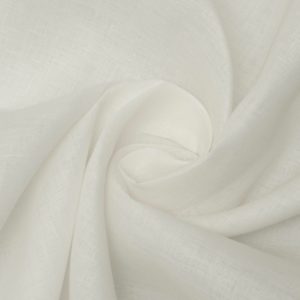
Hemp Montrose White
Width: 132cm (52")
Fabric Weight (approx): 118 g/m²
Fabric Composition: 100% Hemp
Starting From: £15.79 View product -
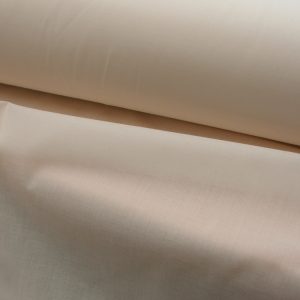
Organic Cotton Windsor Natural
Width: 138cm (54.3")
Fabric Weight (approx): 70 g/m²
Fabric Composition: 100% Organic Cotton
Starting From: £5.95 View product -
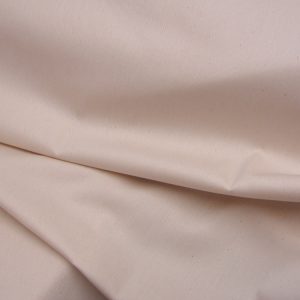
Organic/Recycled Cotton Regal Natural
Width: 149cm (58.7")
Fabric Weight (approx): 213 g/m²
Fabric Composition: 75% Organic Cotton / 25% Recycled Cotton
Starting From: £6.49 View product -
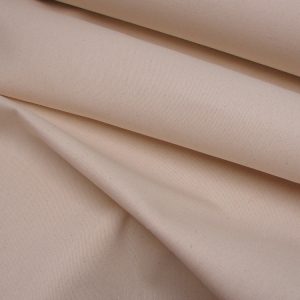
Organic Cotton Drill Natural
Width: 149cm (58.7")
Fabric Weight (approx): 255 g/m²
Fabric Composition: 100% Cotton
Starting From: £6.93 View product -
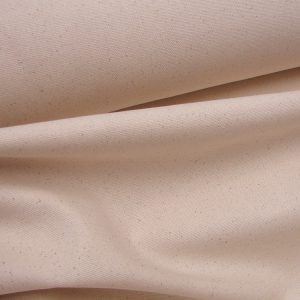
Organic Cotton Canvas Natural
Width: 150cm (59.1")
Fabric Weight (approx): 309 g/m²
Fabric Composition: 100% Cotton
Starting From: £6.34 View product -
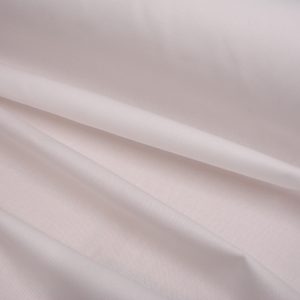
Organic Cotton Canberra White (Optic White)
Width: 150cm (59.1")
Fabric Weight (approx): 230 g/m²
Fabric Composition: 100% Cotton
Starting From: £5.85 View product -
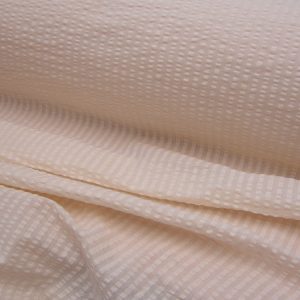
Cotton Seersucker Natural
Width: 110cm (43.3")
Fabric Weight (approx): 125 g/m²
Fabric Composition: 100% Cotton
Starting From: £5.99 View product -
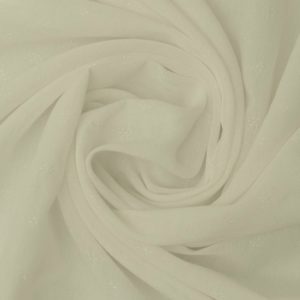
Banana Jacquard C.L.55 Natural
Width: 110cm (43.3")
Fabric Weight (approx): 74 g/m²
Fabric Composition: 100 Banana Fibre
Starting From: £10.42 View product -
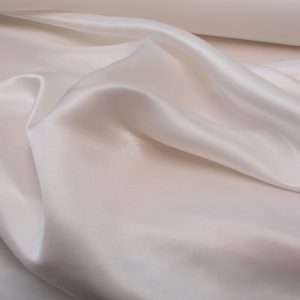
Coated Bamboo/Silk Satin Natural
Width: 140cm (55.1")
Fabric Weight (approx): 84 g/m²
Fabric Composition: 72% Bamboo / 28% Silk
Starting From: £12.89 View product -
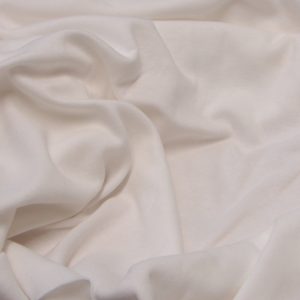
Organic Cotton Jersey Merlin
Width: 140cm (55.1")
Fabric Weight (approx): 225 g/m²
Fabric Composition: 100% Cotton
Starting From: £6.22 View product -
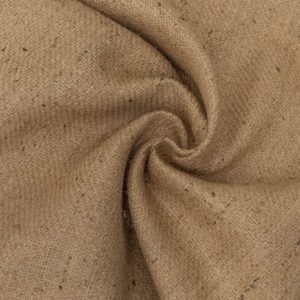
Heavy Jute Natural (Subject to width variation)
Width: 91cm (35.8")
Fabric Weight (approx): 633 g/m²
Fabric Composition: 100% Jute
Starting From: £2.39 View product -
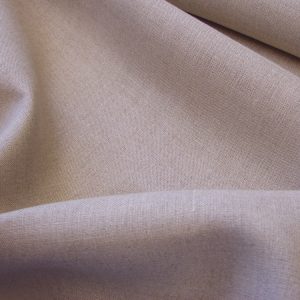
Valencia Linen Natural
Width: 152cm (59.8")
Fabric Weight (approx): 240 g/m²
Fabric Composition: 100% Linen
Starting From: £16.93 View product -
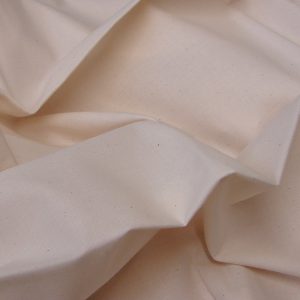
Coated Calico AJ404 Scoured Natural
Width: 150cm (59.1")
Fabric Weight (approx): 156 g/m²
Fabric Composition: 100% Cotton
Starting From: £5.06 View product -
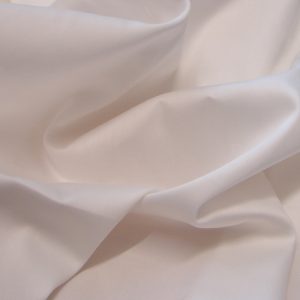
Organic Cotton Sateen White
Width: 285cm (112.2")
Fabric Weight (approx): 145 g/m²
Fabric Composition: 100% Cotton
Starting From: £8.99 View product -
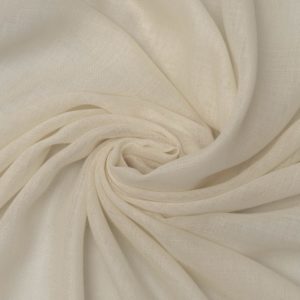
Arctic Wool Gauze Natural (Dyeing)
Width: 137cm (53.9")
Fabric Weight (approx): 90 g/m²
Fabric Composition: 100% Wool
Starting From: £15.70 View product -
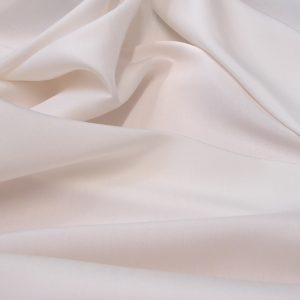
Shantung Silk Natural
Width: 140cm (55.1")
Fabric Weight (approx): 100 g/m²
Fabric Composition: 100% Silk
Starting From: £22.99 View product -
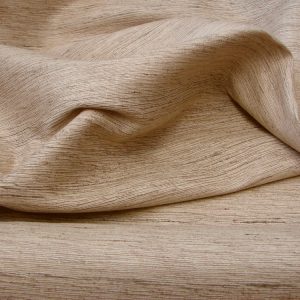
Chapa Silk Natural
Width: 122cm (48")
Fabric Weight (approx): 155 g/m²
Fabric Composition: 100% Silk
Starting From: £18.98 View product -
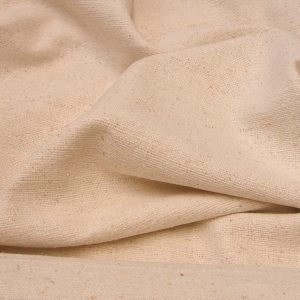
Bobbly Silk Bourette Natural
Width: 122cm (48")
Fabric Weight (approx): 274 g/m²
Fabric Composition: 100% Silk
Starting From: £17.98 View product -
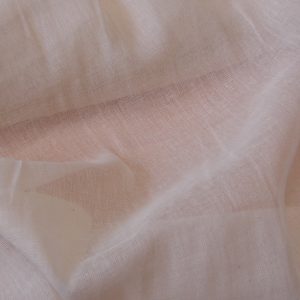
Muslin Cotton Natural (Loomstate)
Width: 127cm (50")
Fabric Weight (approx): 55 g/m²
Fabric Composition: 100% Cotton
Starting From: £1.39 View product -
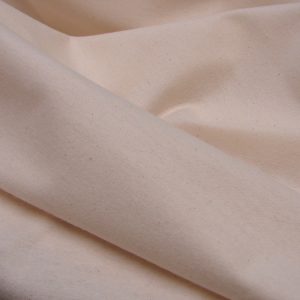
Domette Cotton Natural
Width: 150cm (59.1")
Fabric Weight (approx): 141 g/m²
Fabric Composition: 100% Cotton
Starting From: £4.24 View product -
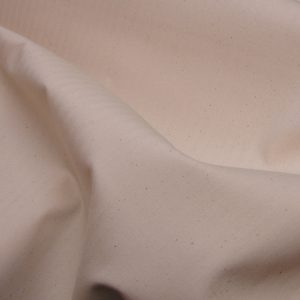
Coutil Cotton TB206 Natural (Soft)
Width: 155cm (61")
Fabric Weight (approx): 270 g/m²
Fabric Composition: 100% Cotton
Starting From: £6.89 View product -
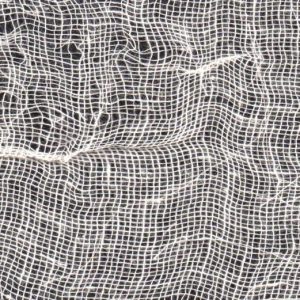
Cotton Scrim Natural (Loomstate)
Width: 127cm (50")
Fabric Weight (approx): 29 g/m²
Fabric Composition: 100% Cotton
£50.00 View product -
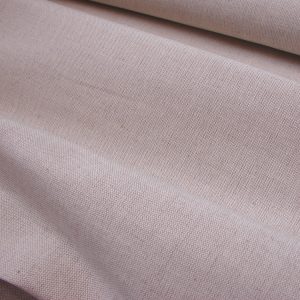
Union Flax Natural (Loomstate)
Width: 149cm (58.7")
Fabric Weight (approx): 354 g/m²
Fabric Composition: 52% Linen / 36% Cotton / 12% Nylon
Starting From: £14.37 View product -
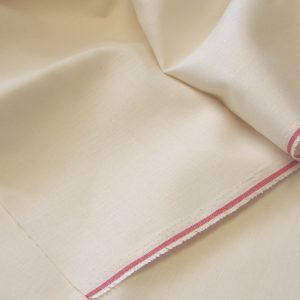
Red Edge Linen Natural
Width: 137cm (53.9")
Fabric Weight (approx): 218 g/m²
Fabric Composition: 100% Linen
Starting From: £16.86 View product -
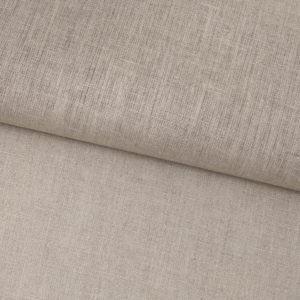
Natural Duck Heavy Shrunk
Width: 61cm (24")
Fabric Weight (approx): 177 g/m²
Fabric Composition: 100% Linen
Starting From: £11.22 View product -
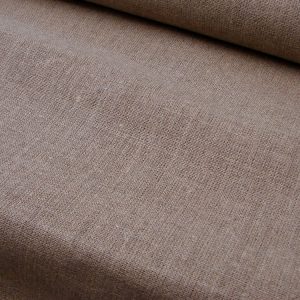
Linen Tasmania Natural (Loomstate for Painting)
Width: 150cm (59.1")
Fabric Weight (approx): 290 g/m²
Fabric Composition: 100% Linen
Starting From: £11.92 View product -
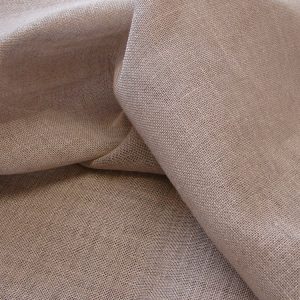
Linen Scrim Natural (Loomstate)
Width: 158cm (62.2")
Fabric Weight (approx): 175 g/m²
Fabric Composition: 100% Linen
Starting From: £11.31 View product -
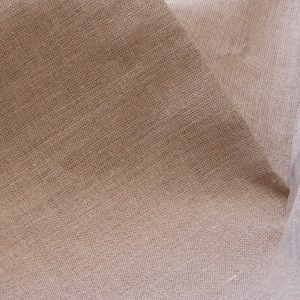
Linen Heavy Natural (Loomstate)
Width: 150cm (59.1")
Fabric Weight (approx): 420 g/m²
Fabric Composition: 100% Linen
Starting From: £20.51 View product -
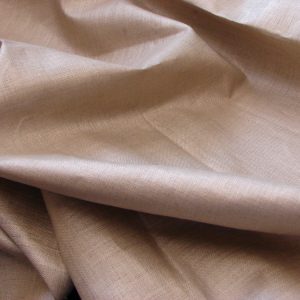
Holland Linen Natural
Width: 132cm (52")
Fabric Weight (approx): 147 g/m²
Fabric Composition: 100% Linen
Starting From: £29.98 View product -
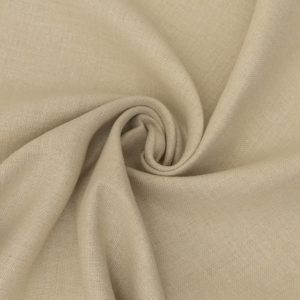
Flax Canvas Natural
Width: 137cm (53.9")
Fabric Weight (approx): 504 g/m²
Fabric Composition: 100% Linen
Starting From: £26.80 View product -
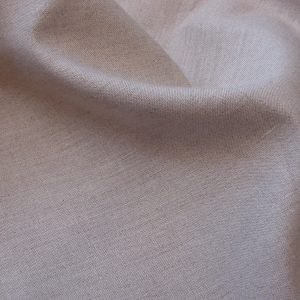
Artist Linen Greystone Natural
Width: 213cm (83.9")
Fabric Weight (approx): 310 g/m²
Fabric Composition: 100% Linen
Starting From: £34.21 View product -

Artist Linen Natural (Loomstate for painting)
Width: 215cm (84.6")
Fabric Weight (approx): 205 g/m²
Fabric Composition: 100% Linen
Starting From: £25.75 View product -
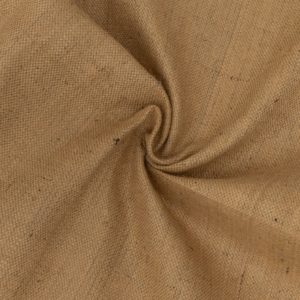
Jute Tarpaulin Natural
Width: 91cm (35.8")
Fabric Weight (approx): 464 g/m²
Fabric Composition: 100% Jute
Starting From: £2.85 View product -
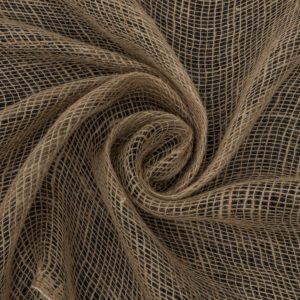
Jute Scrim Natural
Width: 91cm (35.8")
Fabric Weight (approx): 92 g/m²
Fabric Composition: 100% Jute
Starting From: £0.73 View product -
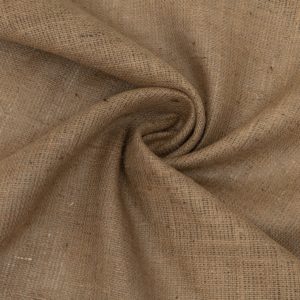
Jute Hessian Natural
Fabric Weight (approx): 252 g/m²
Fabric Composition: 100% Jute
Price range: £2.01 through £3.78 Select options This product has multiple variants. The options may be chosen on the product page -
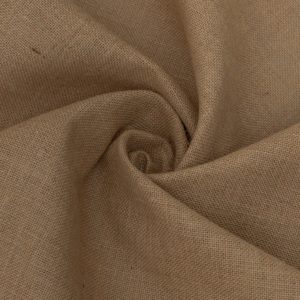
Fine Natural Hessian
Width: 183cm (72")
Fabric Weight (approx): 366 g/m²
Fabric Composition: 100% Jute
Starting From: £3.59 View product -
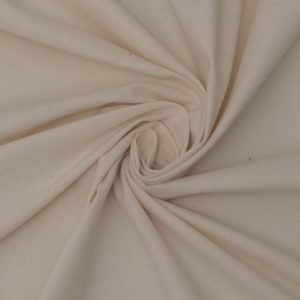
Sheeting Cotton Natural Flameproofed (NDFR)
Width: 320cm (126")
Fabric Weight (approx): 208 g/m²
Fabric Composition: 100% Cotton
Starting From: £5.32 View product -
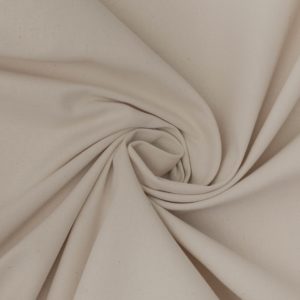
Painting Canvas Natural Flameproofed (Duck) (NDFR)
Width: 266cm (104.7")
Fabric Weight (approx): 318 g/m²
Fabric Composition: 100% Cotton
Starting From: £8.94 View product -
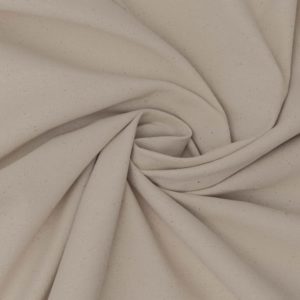
Cotton Canvas TXT41 Natural Flameproofed (NDFR)
Width: 178cm (70.1")
Fabric Weight (approx): 398 g/m²
Fabric Composition: 100% Cotton
Starting From: £8.49 View product -
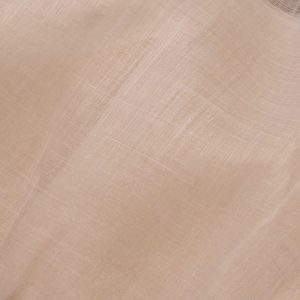
Pineapple Natural Fibre
Width: 76cm (29.9")
Fabric Weight (approx): 18 g/m²
Fabric Composition: 100% Pineapple Fiber
Starting From: £76.96 View product -
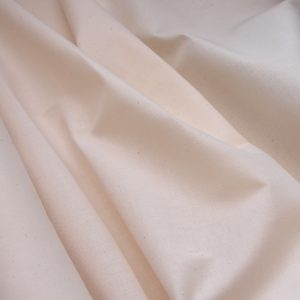
Scoured Cotton Natural
Width: 150cm (59.1")
Fabric Weight (approx): 156 g/m²
Fabric Composition: 100% Cotton
Starting From: £2.51 View product -
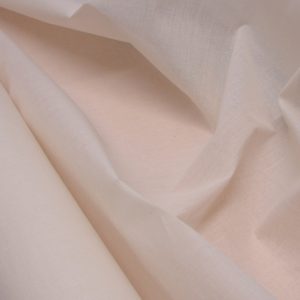
Scollata Cotton Natural
Width: 150cm (59.1")
Fabric Weight (approx): 75 g/m²
Fabric Composition: 100% Cotton
Starting From: £3.36 View product -
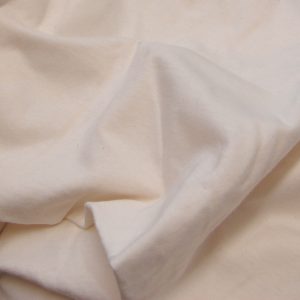
Merz Cotton Natural (Jersey)
Width: 150cm (59.1")
Fabric Weight (approx): 140 g/m²
Fabric Composition: 100% Cotton
Starting From: £5.89 View product -
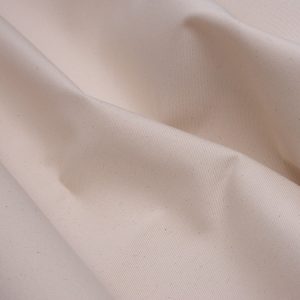
Denim Cotton Heavy Natural
Width: 150cm (59.1")
Fabric Weight (approx): 394 g/m²
Fabric Composition: 100% Cotton
Starting From: £6.22 View product -
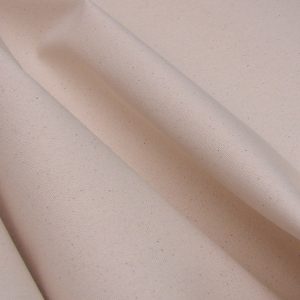
Cotton Duck WB757 Natural
Width: 91cm (35.8")
Fabric Weight (approx): 346 g/m²
Fabric Composition: 100% Cotton
Starting From: £4.07 View product -
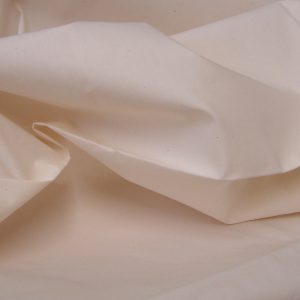
Cambric Cotton Heavy Natural
Width: 150cm (59.1")
Fabric Weight (approx): 143 g/m²
Fabric Composition: 100% Cotton
Starting From: £5.93 View product -
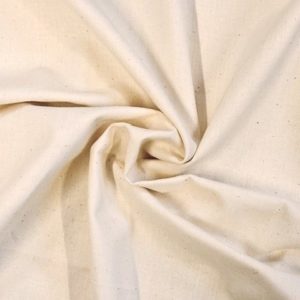
Calico AJ404 Scoured Natural (Shrunk)
Width: 150cm (59.1")
Fabric Weight (approx): 156 g/m²
Fabric Composition: 100% Cotton
Starting From: £3.37 View product -
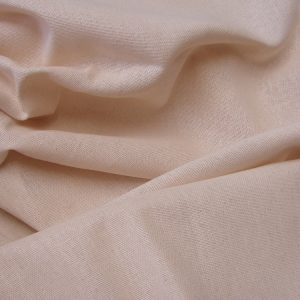
A1447 Cotton Natural
Width: 150cm (59.1")
Fabric Weight (approx): 190 g/m²
Fabric Composition: 100% Cotton
Starting From: £6.97 View product
Frequently Asked Questions About Natural Fabric
Below are some of the most frequently asked questions from our customers about Natural Fabric. If your question isn't covered here, please contact us.
-
What counts as a natural fabric?
Natural fabrics are made from fibres that come from plants, animals, or minerals without chemical conversion. Plant-based natural fibres include cotton, linen, hemp, jute, ramie, and bamboo (mechanically processed). Animal-based fibres include wool, silk, alpaca, cashmere, and mohair.
-
Is viscose a natural fabric?
Viscose is sometimes described as semi-synthetic. The raw fibre comes from a natural source, usually wood pulp, but it’s chemically processed and regenerated into fibre. Strict definitions of “natural” exclude viscose because of the chemical processing.
-
What are the benefits of natural fibres over synthetics?
Natural fibres are biodegradable, breathable, and renewable. They tend to absorb moisture better than synthetics, regulate temperature more comfortably, and don’t shed microplastics. The trade-offs include higher prices for some, more shrinkage, and farming or animal welfare considerations.
-
Are all natural fabrics more sustainable than synthetics?
Not automatically. Cotton can use significant water and pesticides depending on farming practices. Wool and silk involve animal welfare considerations. Sustainability depends on the specific source, production method, and end-of-life behaviour rather than natural versus synthetic alone.